Nintendo did not fix Joy-Con drift on the Switch 2 by switching to Hall effect sensors, and the reason is the console's headline feature. Teardowns by iFixit and independent repairers found ALPS-style potentiometers with a graphite wiper on a resistive track — the same basic mechanism as the original Switch.
Nintendo confirmed the decision in April 2025, and the explanation is mechanical rather than commercial: the new magnetic Joy-Con attachment would interfere with the magnets a Hall effect sensor depends on. TMR sensors would have avoided that, and Nintendo did not use those either.
Note
Key Takeaways
- Joy-Con 2 uses potentiometers, not Hall effect sensors. iFixit's teardown confirmed ALPS-style parts with a graphite wiper on a resistive track.
- The magnetic attachment mechanism is the stated reason. Hall effect sensors read magnetic fields, and the attachment magnets would interfere with them.
- TMR was a viable alternative and is far less susceptible to magnetic interference, but Nintendo did not adopt it.
- The contact pads are slightly larger with tighter tolerances, which should extend service life — but the wear mechanism is unchanged.
- Drift reports in 2026 are appearing, but far later than the near-immediate wave that hit the original Switch.
- Recalibration masks drift; it does not repair it. Once the resistive track is worn, only a stick replacement is a real fix.
What Is Actually Inside a Joy-Con 2
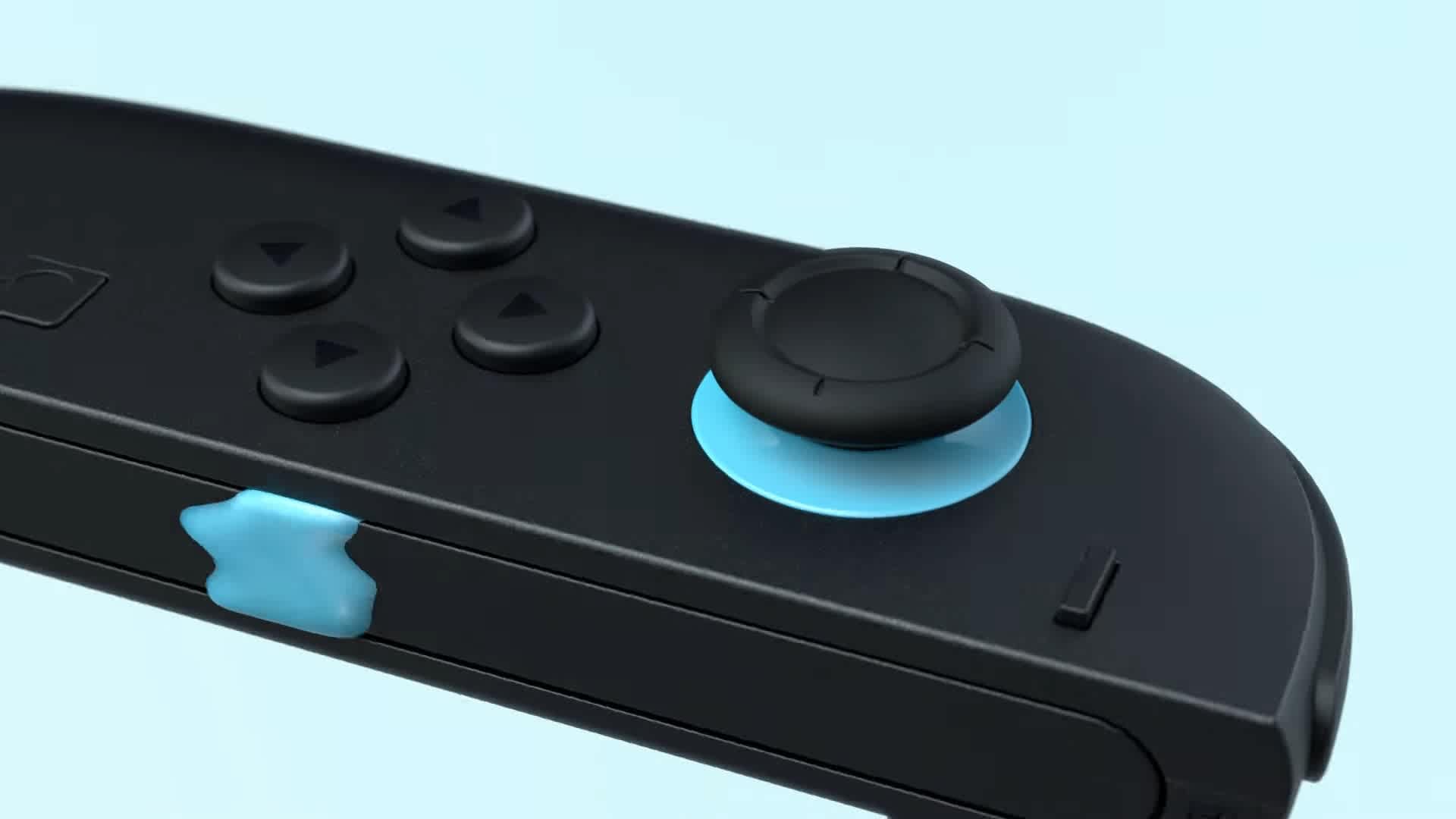
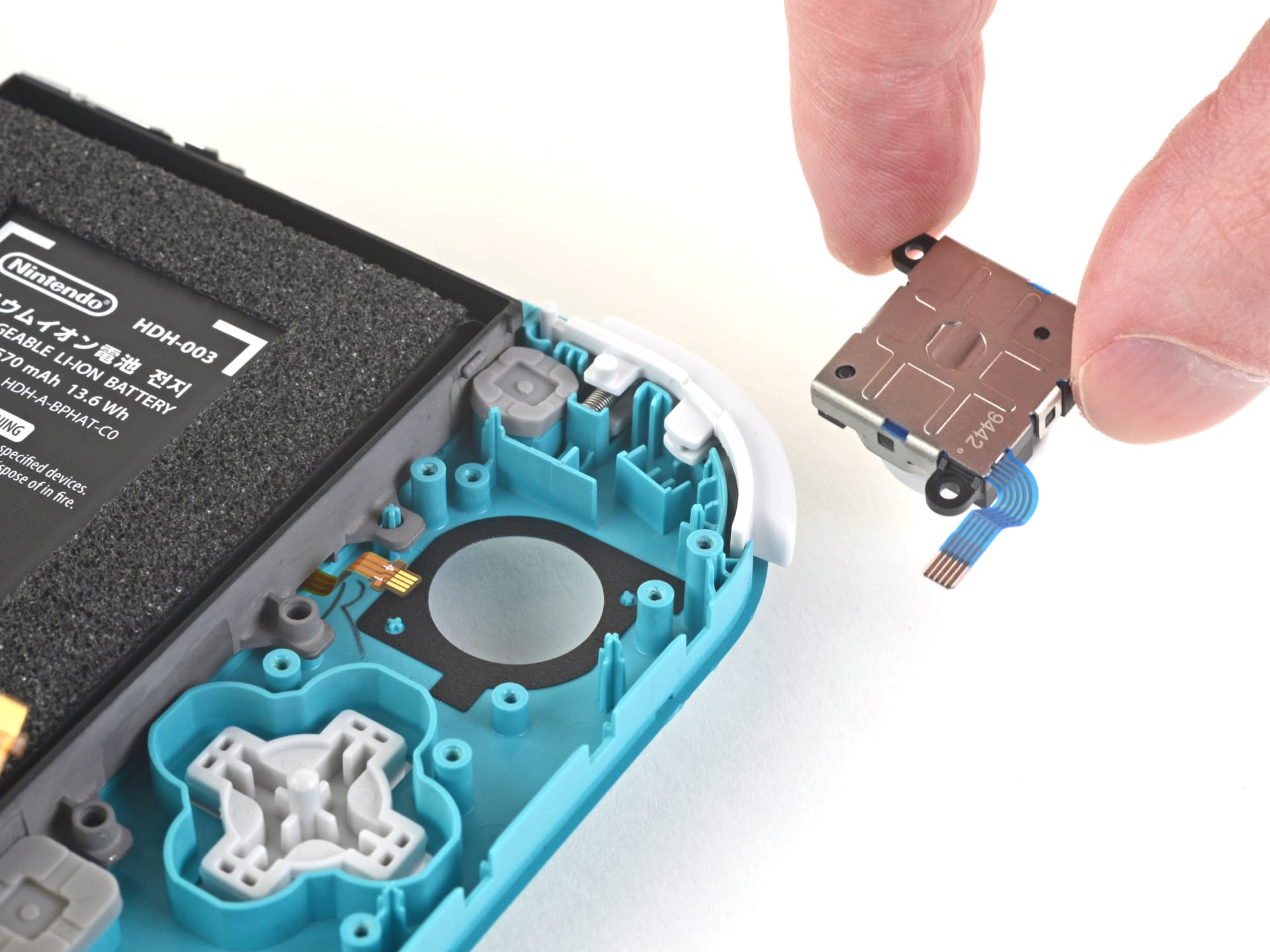
A potentiometer stick works by dragging a graphite wiper across a resistive track. The console reads the resistance and converts it to a position. It is cheap, accurate when new, and wears out by design — the wiper physically abrades the track every time you move the stick.
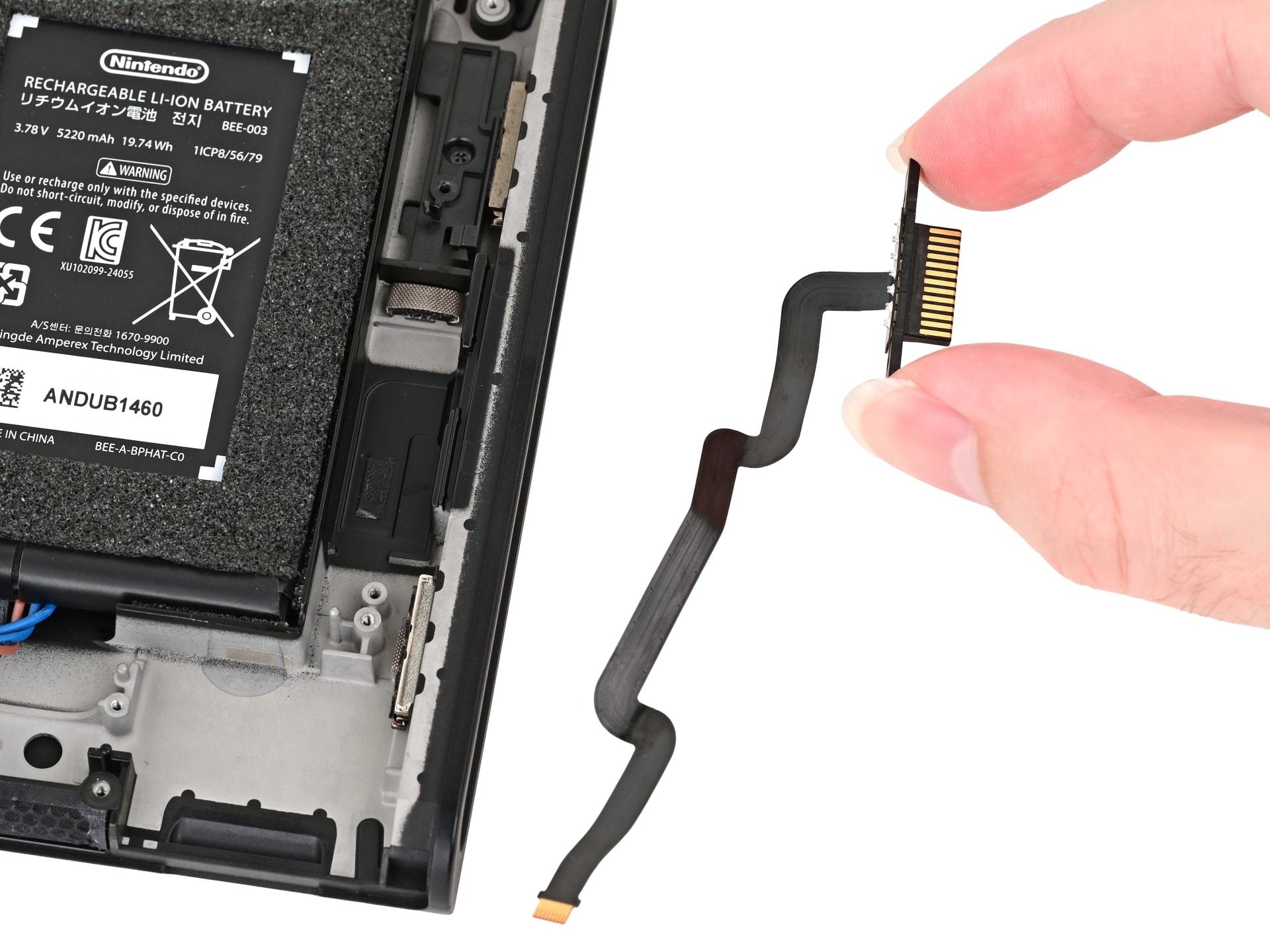
As the track wears, the resistance it reports at rest stops matching the resistance it reported at rest when new. The console interprets that offset as genuine stick movement. That is drift, and it is a wear-out mechanism rather than a defect.
A Hall effect stick avoids it entirely by measuring a magnetic field instead of physical contact. Nothing touches anything, so nothing wears. TMR sensors do the same job with better precision and lower power draw.
If you want the full comparison of how these sensing methods differ, our breakdowns of Hall effect vs TMR vs AMR sensors and TMR vs Hall effect joysticks cover the engineering in detail.
Why the Magnets Ruled Hall Effect Out
The Switch 2's Joy-Con attach magnetically rather than sliding on rails, and that mechanism needs strong magnets very close to the controller's internals.
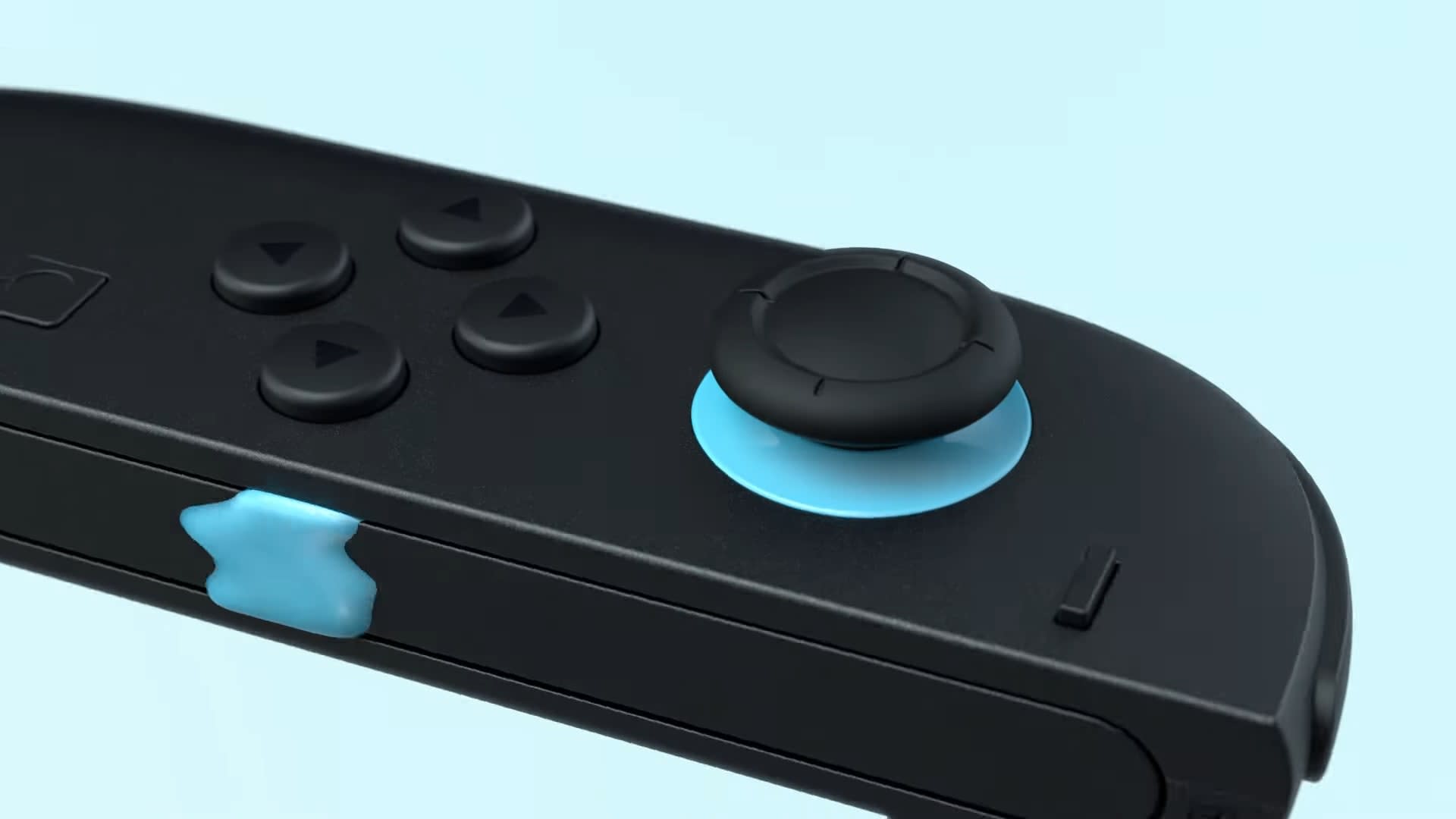
A Hall effect stick works by detecting the position of a small magnet on the stick shaft. Put a much stronger magnet a couple of centimetres away and the sensor's readings are swamped. Nintendo's explanation is technically sound.
What it does not explain is TMR. Tunnelling magnetoresistance sensors are substantially more resistant to external magnetic interference, they are already used in third-party controllers, and they would have delivered the same wear-free operation. Nintendo chose neither.
Info
Nintendo's own framing has been that the Joy-Con 2 sticks were "designed from scratch" for durability rather than that they solve drift. The teardown evidence supports that reading: the contact pads are larger and the tolerances tighter, which should meaningfully extend service life without changing the fundamental wear mechanism.
Is Switch 2 Drift Actually Happening?
Yes, but on a different timeline to the original Switch. The first console's drift became notorious because it appeared within months, sometimes weeks, of purchase — enough to trigger class action suits and a free repair programme.
Repair shops began reporting the first Joy-Con 2 drift cases during 2026, roughly a year into the console's life. That is a considerably better result than the original, and it is consistent with what the teardowns predicted: the same mechanism, executed to tighter tolerances, wearing out more slowly.
The honest expectation to set is that Joy-Con 2 sticks will drift eventually, because potentiometers always do. The question is whether "eventually" arrives inside the console's useful life, and on current evidence it arrives later than it did last time. Handheld-only games such as Onyx: The Dark Grip will put every hour of play on the attached controllers.
What Actually Helps
Keep Debris Out
Grit that gets under the stick bezel accelerates track wear dramatically. Wipe around the base regularly with a dry microfibre cloth.
Avoid Compressed Air Into the Stick
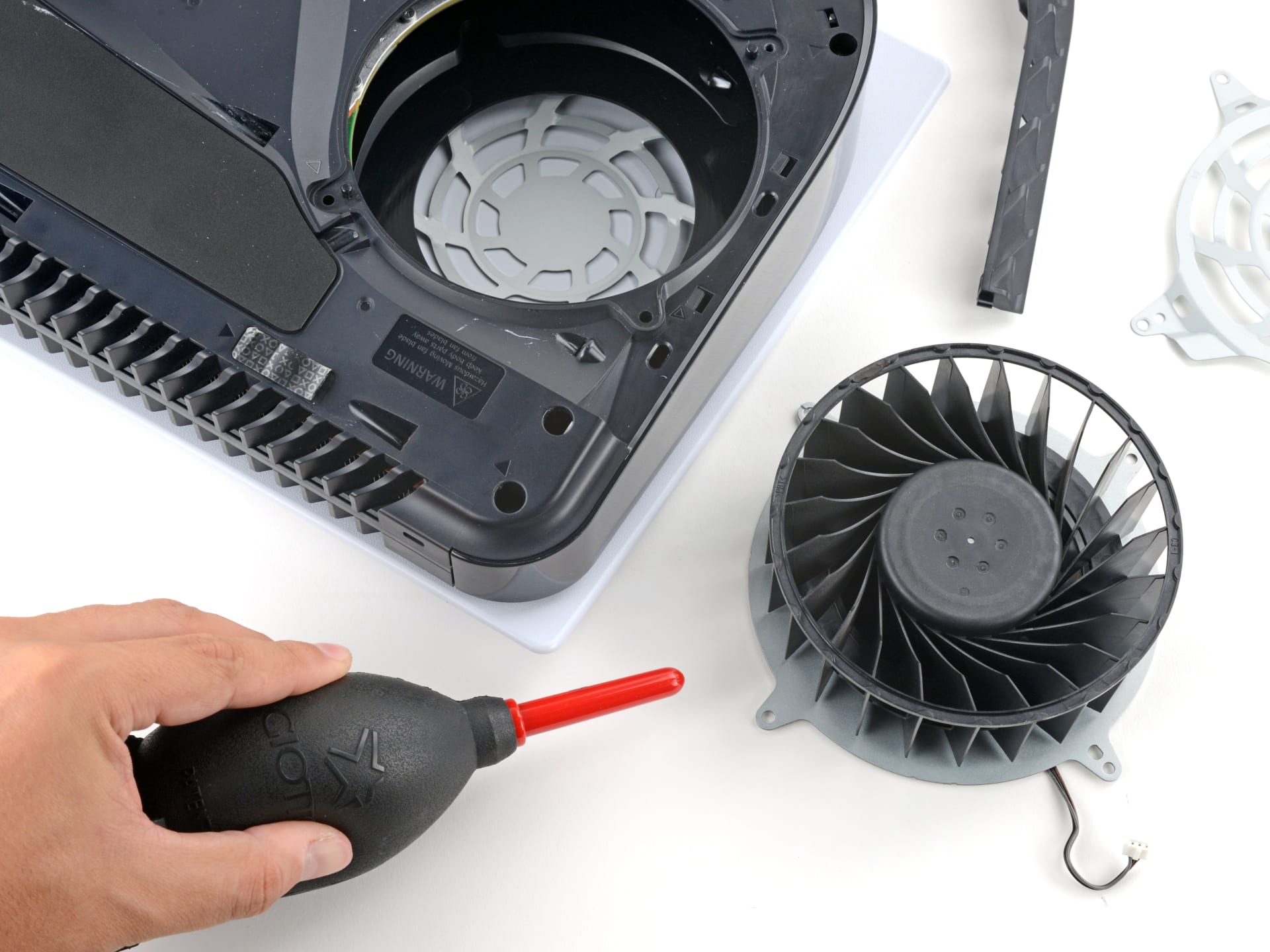
It drives dust deeper into the mechanism rather than removing it. This is the single most common way people make drift worse while trying to fix it.
Do Not Grind the Stick Against the Rim
Holding a stick hard against its outer limit for extended periods puts the wiper at the extreme of its travel under maximum pressure.
Recalibrate to Confirm, Not to Cure
Calibration tells you whether the offset is consistent. It masks a small offset temporarily; it does not repair a worn track.
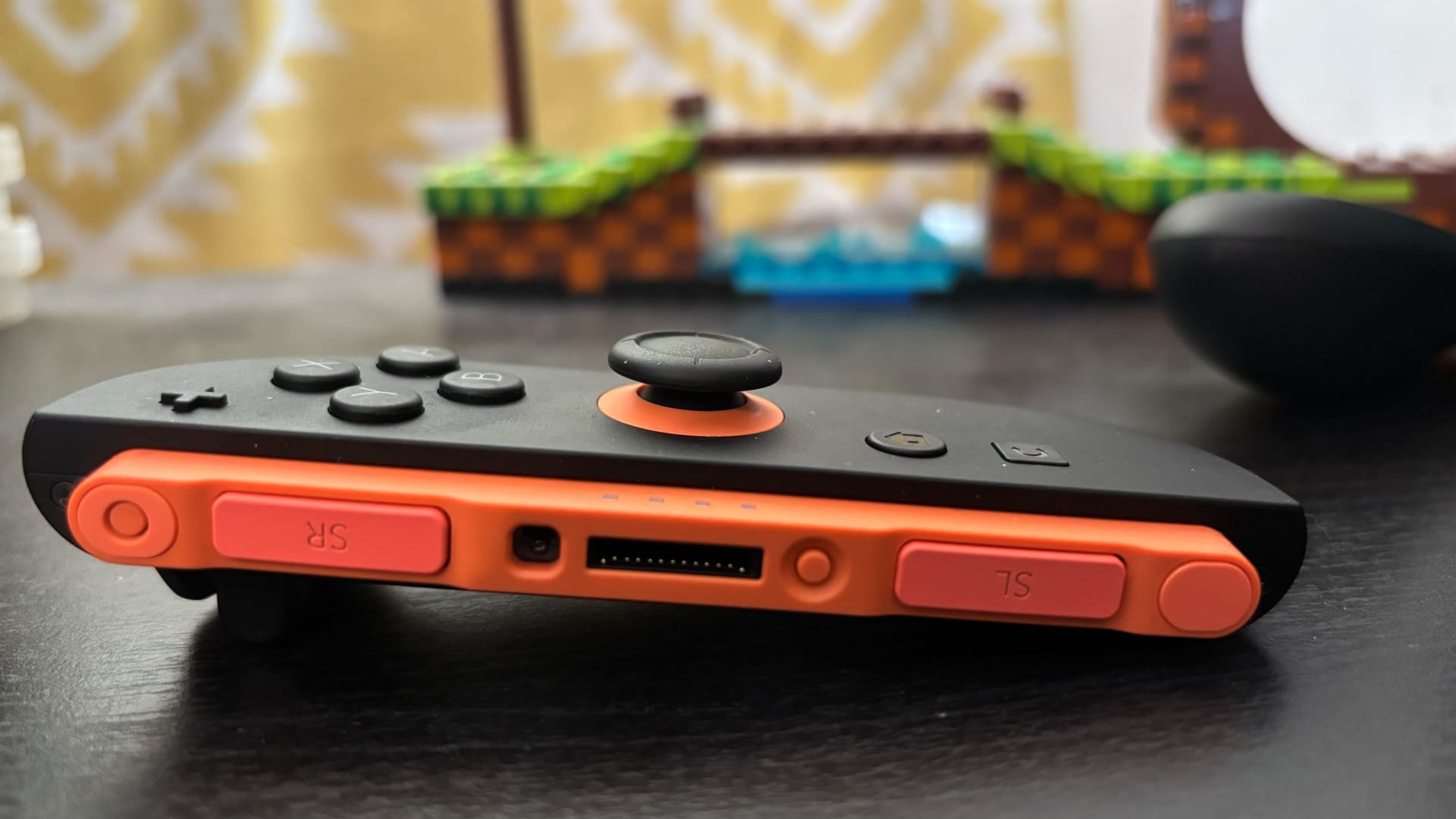
Recalibration: Useful for Diagnosis
Go to System Settings → Controllers and Sensors → Calibrate Control Sticks. Leave the stick untouched and watch the on-screen crosshair.
If the crosshair sits off-centre while you are not touching the stick, that is measurable drift. If it wanders in different directions each time, that is a loose or dirty stick rather than a worn track.
Calibrating applies a software offset that compensates for a small, consistent error. It will buy time on early-stage drift. It cannot help once the track is worn enough that the error changes with temperature, pressure or direction — which is the stage most people notice.
Cleaning: Do It Correctly
The method that works is isopropyl alcohol on a cotton swab applied around the base of the stick, with the stick pushed to one side to open the gap, then rotated through its full range to distribute it. Let it dry completely before powering on.
The method that does not work is compressed air fired into the mechanism. It pushes contamination further into the assembly and is a genuinely common way to turn intermittent drift into permanent drift.
When It Is Not Really Drift
A game that reads tiny stick movements you did not make is not always a hardware problem. Many games apply little or no deadzone, so a stick sitting one or two percent off centre — which is within normal tolerance for a new controller — produces slow creep.
If drift appears in one game and not others, that is a deadzone configuration issue rather than worn hardware. Our guides to controller deadzone settings and Steam Input deadzones and response curves cover how to tune it, and the logic applies to console games with in-game deadzone sliders too.
The general repair sequence for genuine stick wear across all platforms is covered in how to fix controller stick drift.
Repair and Replacement
Joy-Con 2 remain glued and soldered. iFixit gave the Switch 2 a repairability score of 3 out of 10, and the stick modules are soldered to the board rather than socketed.
That means a stick replacement is a soldering job, not a plug-and-play swap. For most owners that puts it firmly in professional-repair territory.
Nintendo has historically repaired drifting Joy-Con free of charge in many regions regardless of warranty status. That policy is worth checking before paying anyone, because it applied to the original Switch long after those units were out of warranty.
| Option | Cost | Permanence | Difficulty |
|---|---|---|---|
| Recalibrate | Free | Temporary | Trivial |
| Clean with isopropyl | Near free | Weeks to months | Easy |
| Nintendo repair | Often free | Permanent | Send it away |
| Third-party stick swap | Moderate | Permanent | Soldering required |
| Replace the Joy-Con | High | Resets the clock | None |
Frequently Asked Questions
Does the Switch 2 use Hall effect Joy-Con sticks?
No. Teardowns by iFixit and independent repairers found ALPS-style potentiometers with a graphite wiper on a resistive track — the same basic mechanism as the original Switch. Nintendo confirmed in April 2025 that Hall effect sensors were not used because the console's magnetic Joy-Con attachment would interfere with them.
Will Switch 2 Joy-Con still drift?
Eventually, yes, because potentiometer sticks wear by design. The contact pads are larger and the tolerances tighter than on the original Switch, which should extend service life, and the first repair-shop reports only started appearing during 2026 rather than within weeks of launch as they did last time.
Why didn't Nintendo use TMR sensors instead?
TMR is far less susceptible to magnetic interference than Hall effect, so the attachment magnets would not have been a barrier, and it is already used in third-party controllers. Nintendo has not publicly explained why it was not adopted. The company's own framing is that the sticks were redesigned for durability rather than that drift was solved.
Does recalibrating fix Joy-Con drift?
It masks small, consistent drift by applying a software offset, and it is genuinely useful for diagnosis. It cannot repair a physically worn resistive track, so once the error varies with temperature, pressure or direction, recalibration stops helping and only a stick replacement will fix it.
How do I clean a drifting Joy-Con stick?
Apply isopropyl alcohol to a cotton swab, push the stick to one side to open the gap at its base, work the swab around the base, then rotate the stick through its full range to distribute it. Let it dry fully before powering on. Do not use compressed air — it drives contamination deeper into the mechanism.
Can I replace a Switch 2 Joy-Con stick myself?
Only with soldering skills. iFixit rated the Switch 2 at 3 out of 10 for repairability, and the stick modules are soldered to the board rather than socketed. Check Nintendo's repair options first — the company repaired drifting original Joy-Con free of charge in many regions well outside warranty.
The Bottom Line
The Switch 2 did not solve Joy-Con drift; it slowed it down. The sticks are still potentiometers, they still wear by physical abrasion, and the magnetic attachment that makes the Joy-Con feel so good to click on is precisely what ruled out the sensor technology that would have fixed the problem.
In practice that means treating drift as a maintenance item rather than a defect. Keep grit away from the stick base, clean with isopropyl rather than compressed air, and use calibration to measure the problem rather than to hide it.
When it does go, check Nintendo's repair options before paying a shop. The company has a long record of fixing this one for free, and the soldered stick modules make DIY a poor option for most people.
Console and teardown photography courtesy of Nintendo, iFixit and the respective publications, used for editorial coverage.
Sources
- iFixit, Switch 2 Teardown: Still Glued, Still Soldered, Still Drifting, retrieved 2026-08-09, https://www.ifixit.com/News/110926/switch-2-teardown
- Android Authority, Worried about stick drift? This Switch 2 Joy-Con teardown doesn't bring good news, retrieved 2026-08-09, https://www.androidauthority.com/switch-2-joy-con-teardown-drift-3564948/
- Yanko Design, Stick Drift on the Switch 2? Teardown reveals a potential hardware issue, retrieved 2026-08-09, https://www.yankodesign.com/2025/06/06/stick-drift-on-the-switch-2-teardown-of-nintendo-console-reveals-a-potential-hardware-issue/
- Nintendo Support, Nintendo Switch 2: Power and Charging topic hub, retrieved 2026-08-09, https://en-americas-support.nintendo.com/app/topics/detail/p/1095/c/208
- Hark Tech Help, Switch 2 Joy-Con Drift: A 2026 Field Report, retrieved 2026-08-09, https://harktech.co.uk/help/nintendo-switch-2-joycon-drift-2026-field-report