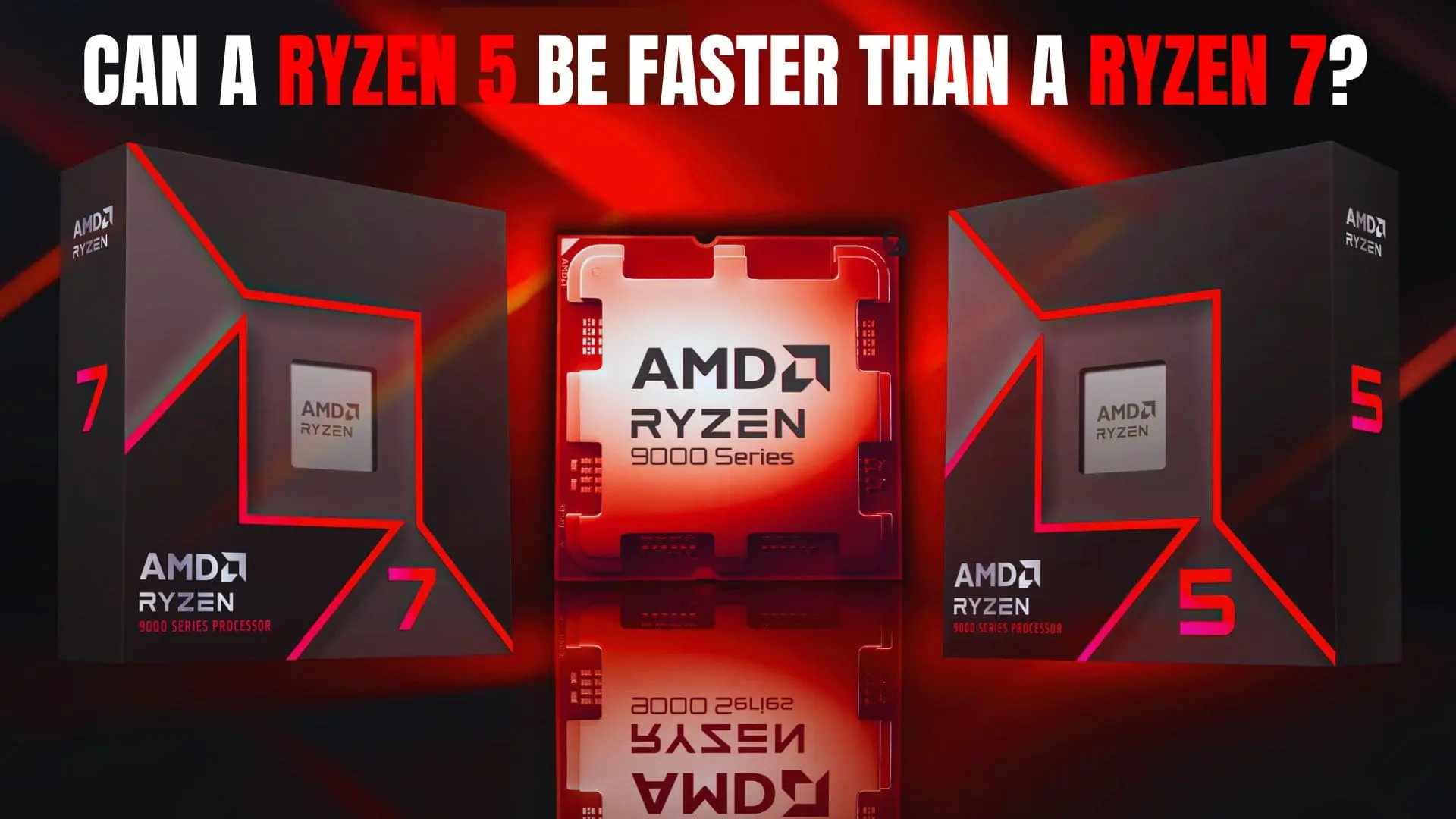
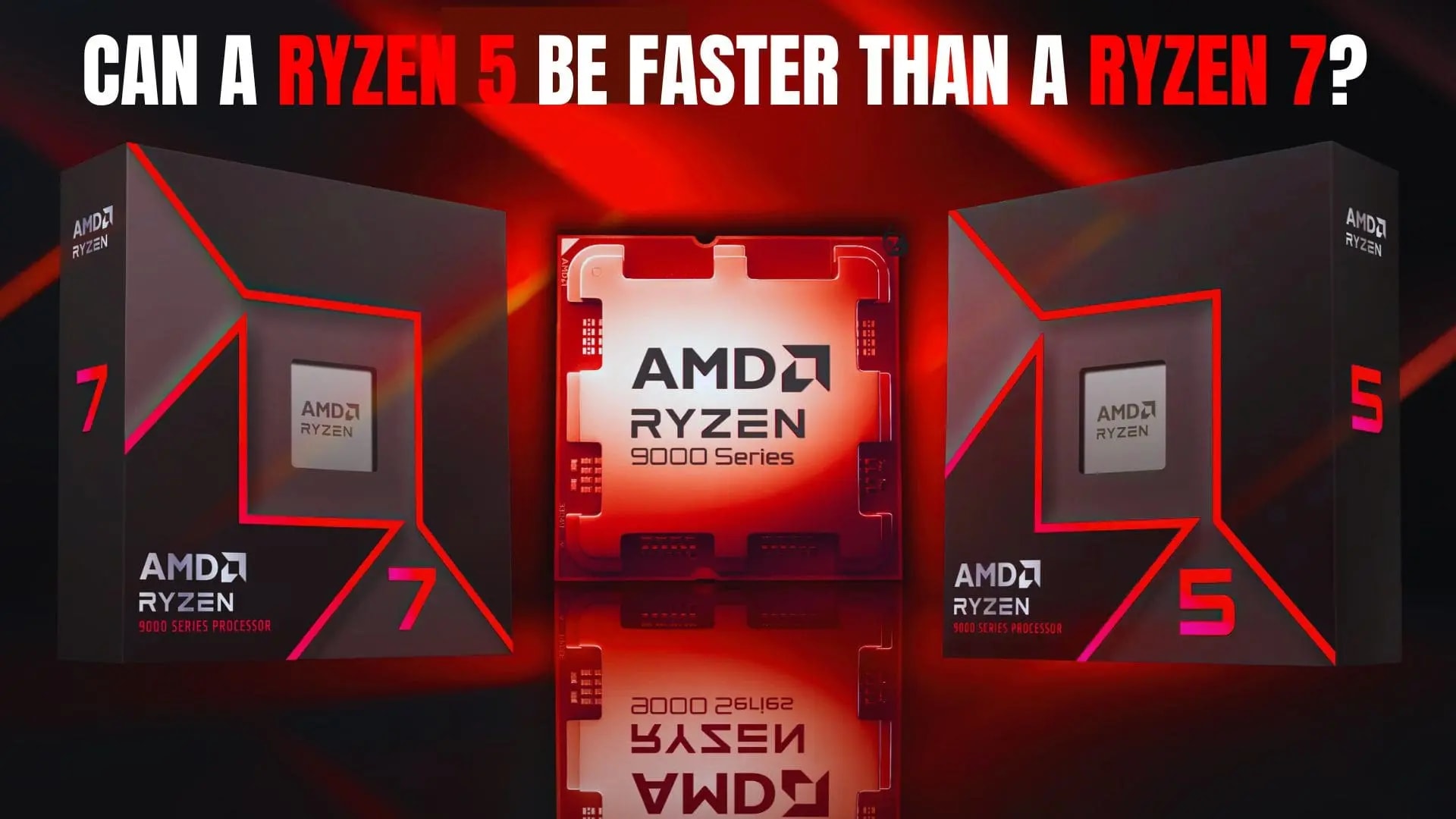
Believe it or not, a Ryzen 5 can indeed outperform a Ryzen 7 in specific scenarios, thanks to differences in architecture, clock speeds, and how many cores an application actually uses. In tasks that focus on single-core performance, such as gaming or general computing, a newer Ryzen 5 with a higher clock speed may deliver better performance than an older Ryzen 7, even though the Ryzen 7 has more cores.
In short, if you're focused on gaming or single-threaded tasks, a high-speed Ryzen 5 might just deliver a snappier experience than a Ryzen 7. By the end of this article, you'll understand what factors play a role, when Ryzen 5's performance can surpass Ryzen 7, and how this may apply to your specific needs.
Note
Key Takeaways
- A newer Ryzen 5 regularly beats an older Ryzen 7 in games, because gaming leans on per-core speed and IPC rather than core count.
- Generation matters more than tier. Architectural IPC gains compound across releases and outweigh two extra cores for most titles.
- Ryzen 7 reclaims the lead in multithreaded work — rendering, encoding, compiling, and streaming while playing.
- X3D cache is the exception worth knowing. AMD's 3D V-Cache parts win gaming benchmarks well above their tier.
- Six cores remains sufficient for gaming; eight is the comfortable choice if you also stream or create.
What Makes a Newer Ryzen 5 Better Than an Old Ryzen 7?
The answer lies in a combination of factors like architecture, clock speeds, thermal dynamics, specific use cases, and generation differences. We’ll address each of these factors in depth, covering the impact of each on overall CPU performance.

The Major Differences Between Ryzen 7 and Ryzen 5
Before we get into the specific scenarios, it’s crucial to understand what defines the Ryzen 5 and Ryzen 7 processors. Here’s a breakdown:
| # | Processor Series | Target Market | Core Count | Typical Clock Speed Range | Use Cases |
|---|---|---|---|---|---|
| 1 | Ryzen 5 | Mainstream users | 4 to 6 cores | 3.6 to 4.2 GHz | Gaming, general computing |
| 2 | Ryzen 7 | Enthusiasts and creators | 8 to 12 cores | 3.0 to 4.0 GHz | Multitasking, media editing |
- Core Count and Threads: Ryzen 7 generally has more cores and threads, which is beneficial for multitasking and multithreaded applications. However, this doesn’t mean it’s faster in single-core performance or light-threaded tasks, which we’ll explore further.
- Clock Speed and Boost Performance: Clock speed, which dictates the number of cycles a CPU can perform in a second, can differ significantly between models. Some Ryzen 5 models, especially newer generations, have a higher base and boost clock speeds compared to older Ryzen 7 models.
- Architecture: Each generation of AMD’s Ryzen processors brings architectural improvements. A Ryzen 5 from a newer generation could outshine an older Ryzen 7 simply due to a more efficient design and better power management.
Why Newer Architecture Matters More Than Model Numbers
When AMD releases a new generation, it doesn’t just improve clock speeds; it overhauls the internal structure of the processors. Newer Ryzen 5 chips may incorporate advanced features like:
-
Improved IPC (Instructions per Cycle): This directly impacts the performance of single-threaded applications. With better IPC, Ryzen 5 processors from newer generations can execute more instructions per clock cycle than older Ryzen 7 processors.
-
Enhanced Thermal Efficiency: Newer architecture often means better heat management, allowing CPUs to sustain high performance for longer periods without throttling due to heat.
-
Reduced Latency: Architectural improvements also include reduced latency, which improves performance in tasks that require quick processing, like gaming or single-threaded applications.
Note
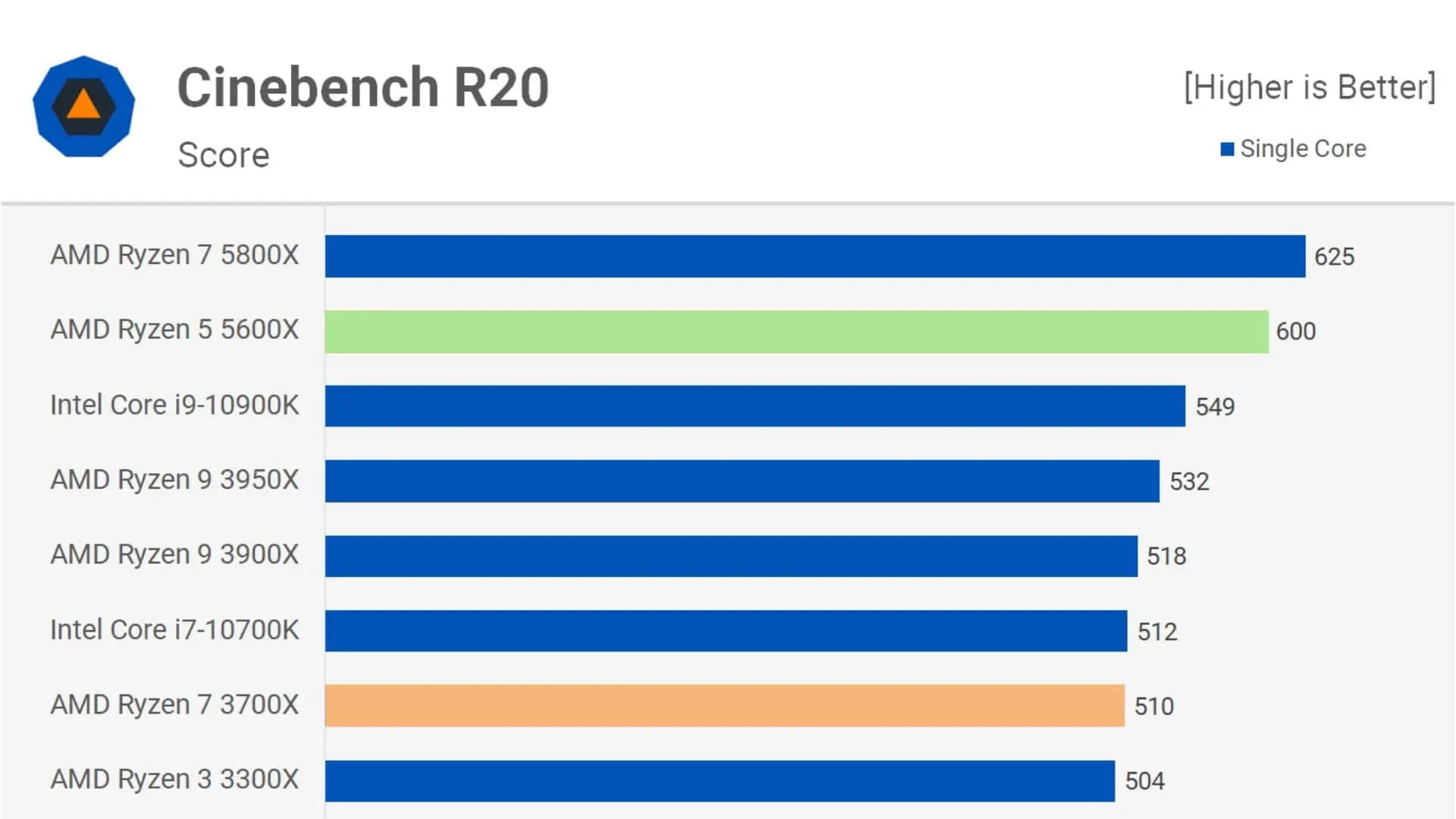
For example, a Ryzen 5 5600X, based on AMD’s Zen 3 architecture, can outperform an older Ryzen 7 2700X in many tasks because of significant architecture improvements.

Clock Speed Advantages – When Ryzen 5 Wins the Race
The CPU’s clock speed is a critical factor, especially for single-threaded tasks. Here’s how Ryzen 5 can take the lead:
- Boost Clock Potential: Many Ryzen 5 CPUs, especially those from the Zen 3 and Zen 4 families, can reach boost speeds up to 4.6 GHz or even higher, whereas some older Ryzen 7 processors max out around 4.2 GHz.
- Thermal Design and Overclocking Headroom: Ryzen 5 CPUs tend to have a slightly lower power draw and generate less heat, which can enable more stable performance over extended periods without thermal throttling.
Comparison of Ryzen 5 vs. Ryzen 7 Clock Speeds
| # | Model | Processor Image | Base Clock | Boost Clock | Thermal Design Power (TDP) |
|---|---|---|---|---|---|
| 1 | Ryzen 5 5600X | 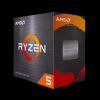 | 3.7 GHz | 4.6 GHz | 65W |
| 2 | Ryzen 7 2700X | 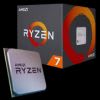 | 3.7 GHz | 4.3 GHz | 105W |
| 3 | Ryzen 5 3600 | 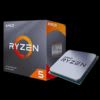 | 3.6 GHz | 4.2 GHz | 65W |
| 4 | Ryzen 7 1700 | 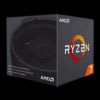 | 3.0 GHz | 3.7 GHz | 65W |
Gaming Performance and Everyday Tasks
If you’re a gamer or a casual user, a Ryzen 5 CPU from a recent generation can indeed outperform a Ryzen 7 in certain real-world scenarios:
- Gaming: Many games are optimized for high clock speeds and rely on fewer cores, which makes a high-clock-speed Ryzen 5 ideal. The CPU can handle the game’s demands without being bottlenecked by additional cores that may go unused.
- Everyday Tasks: For typical daily computing tasks, like web browsing, document editing, or media playback, you’re unlikely to notice a difference between a Ryzen 5 and a Ryzen 7. In fact, a newer Ryzen 5 may feel faster due to its enhanced single-thread performance.
Single-Core Performance Comparison Btw Newer Ryzen 5 and Older Ryzen 7
Why More Cores Aren't Always Better for Gaming
In multi-core CPUs, having more cores does not always equate to faster performance. Here’s why:
-
Diminishing Returns on Core Count
Many applications cannot fully utilize more than Six cores. As a result, the extra cores in Ryzen 7 may sit idle in light-threaded tasks, while the higher clock speed of a Ryzen 5 takes full advantage of the workload.
-
Optimized Software
Many applications, especially games, are optimized for high clock speeds rather than multiple cores. This is one area where Ryzen 5 excels.
-
Overhead and Efficiency
More cores require more energy and often generate more heat, leading to throttling if not properly cooled. Ryzen 5 CPUs, which are generally easier to keep cool, can thus maintain higher speeds for longer periods.
When Ryzen 7 Reclaims Its Throne – Multitasking and Heavy Lifting
To clarify, Ryzen 7 does shine in particular areas. If you’re a power user or need to run multiple applications simultaneously, then Ryzen 7 could indeed outperform Ryzen 5 in scenarios such as:
- Video Editing and 3D Rendering: For tasks that can utilize more than 6 cores, such as rendering and encoding, the additional cores and threads in Ryzen 7 are advantageous.
- Heavy Multitasking: Ryzen 7’s additional cores and threads allow it to handle more tasks simultaneously without slowing down, making it ideal for users who run many applications at once.

Future Proofing Your CPU Choice
Future-proofing can be important for those who plan to keep their CPU for several years. While Ryzen 5 may currently provide better value, opting for Ryzen 7 could be a smarter long-term investment if applications begin to take advantage of more cores. With that in mind, it’s important to consider the following:
- Software Trends: The trend in software development leans towards optimizing for multi-core CPUs, but progress is slow. Most consumer applications still prioritize single-core performance.
- Your Workflow: If you anticipate needing additional cores for demanding tasks in the future, investing in Ryzen 7 might be worthwhile. However, if you’re mainly gaming or performing single-threaded tasks, Ryzen 5 remains a strong choice.
Tips for Maximizing Ryzen 5 Performance Over Ryzen 7
To get the most out of your Ryzen 5, consider these tips:
- Optimize Cooling: A good cooling setup will help you maintain boost clocks longer, enhancing overall performance.
- Update BIOS and Drivers: Regular updates can improve CPU performance and system stability.
- Overclock with Caution: Many Ryzen 5 CPUs offer excellent overclocking potential. Ensure that your motherboard and cooling solution support it.

Which One Is Right for You in 2026?
The Ryzen 5 vs. Ryzen 7 debate ultimately comes down to your specific use case. For gaming and light-threaded applications, the Ryzen 5 can indeed outperform a Ryzen 7 due to higher clock speeds and efficiency. However, when it comes to multitasking and productivity tasks that use more cores, Ryzen 7 is better.
Understanding these details will help you choose the CPU that best fits your needs, whether you’re a gamer, a casual user, or a creator.
Frequently Asked Questions
How can a Ryzen 5 be faster than a Ryzen 7?
Because the model number describes tier within a generation, not absolute performance across generations. A newer Ryzen 5 benefits from architectural IPC gains, higher clocks and a larger cache, and most games use six cores well but rarely scale past eight. A two-generation gap routinely outweighs two extra cores.
Do games use more than six cores?
Very few meaningfully. Most engines spread work across four to eight threads with one or two doing the heavy lifting, which is why single-core performance still dominates gaming benchmarks. Core count matters far more for compilation, rendering and streaming while playing.
Will a faster CPU fix my stuttering?
Sometimes. CPU-bound stutter shows up as poor frame consistency rather than a low average, which is exactly the distinction we explain in what 1% lows are in gaming. If the averages are fine and the experience is not, work through how to fix stuttering in PC games before buying anything.
Should I upgrade the CPU or the GPU first?
The GPU, in almost every case, unless you are already CPU-bound at your resolution. At 1440p and above the graphics card sets the ceiling — our 1440p gaming PC build shows the pairing that avoids a bottleneck in either direction.
Does more RAM help an older Ryzen 7 keep up?
It helps with capacity problems, not with architectural ones. Memory speed matters more than capacity for Ryzen specifically, because of the Infinity Fabric link. We cover whether the capacity jump is worth it in is 32GB of RAM overkill for gaming.
How long before my CPU genuinely needs replacing?
Longer than most upgrade cycles suggest. CPUs age more gracefully than GPUs because game requirements on the CPU side have risen slowly. Our realistic timeline is in how long does a gaming PC last, and how much VRAM you need covers the component that usually forces the issue first.
Sources
- Tom's Hardware, CPU Benchmarks and Hierarchy 2026, retrieved 2026-08-20, https://www.tomshardware.com/reviews/cpu-hierarchy,4312.html
- TechSpot, We Tested Every Ryzen 5 and 7 X3D CPU: From 5800X3D to 9800X3D, retrieved 2026-08-20, https://www.techspot.com/review/3111-every-ryzen-x3d-cpu/
- AMD, Ryzen Processors for Desktops, retrieved 2026-08-20, https://www.amd.com/en/products/processors/desktops/ryzen.html
- Tom's Hardware, The Best CPU for Gaming in 2026, retrieved 2026-08-20, https://www.tomshardware.com/reviews/best-cpus,3986.html