The best budget GPU in 2026 is the AMD Radeon RX 9060 XT 16GB, which lands within about 5% of the RTX 5060 Ti's frame rate while carrying the same 16GB of VRAM for meaningfully less money (Tom's Hardware, 2026). In a composite benchmark it scored 93.9 FPS against the RTX 5060 Ti's 98.7 FPS and the RTX 5060's 82.8 FPS.
But the honest headline for 2026 is not which card wins. It is that every card in this class costs more than it did last year, because GDDR7 modules now run $60-70 each and the shortage is not resolving before 2027.
Note
Key Takeaways
- RX 9060 XT 16GB is the value pick — 93.9 FPS composite, 16GB VRAM, midpoint price around $459.
- RTX 5060 Ti 16GB is the outright faster card at 98.7 FPS, roughly 5.1% ahead, and worth it if the budget stretches.
- RTX 5060 at ~$370 is the weakest of the three at 82.8 FPS and only 8GB of VRAM.
- GPU prices are up 5-15% on mid-range models through 2026 because of memory costs, not demand.
- Never buy an 8GB card for 1440p in 2026. That is the single most expensive mistake in this price bracket.
Which Budget GPU Should You Actually Buy?
For 1440p gaming and any build you intend to keep three years, the RX 9060 XT 16GB is the correct default (Tom's Hardware, 2026). Its 16GB frame buffer is the deciding factor, not its raw shader throughput.
If you play at 1080p, care mostly about competitive titles, and lean heavily on upscaling, the RTX 5060 becomes defensible on features alone — DLSS is still ahead of FSR in image stability. It is the wrong buy for anything else.
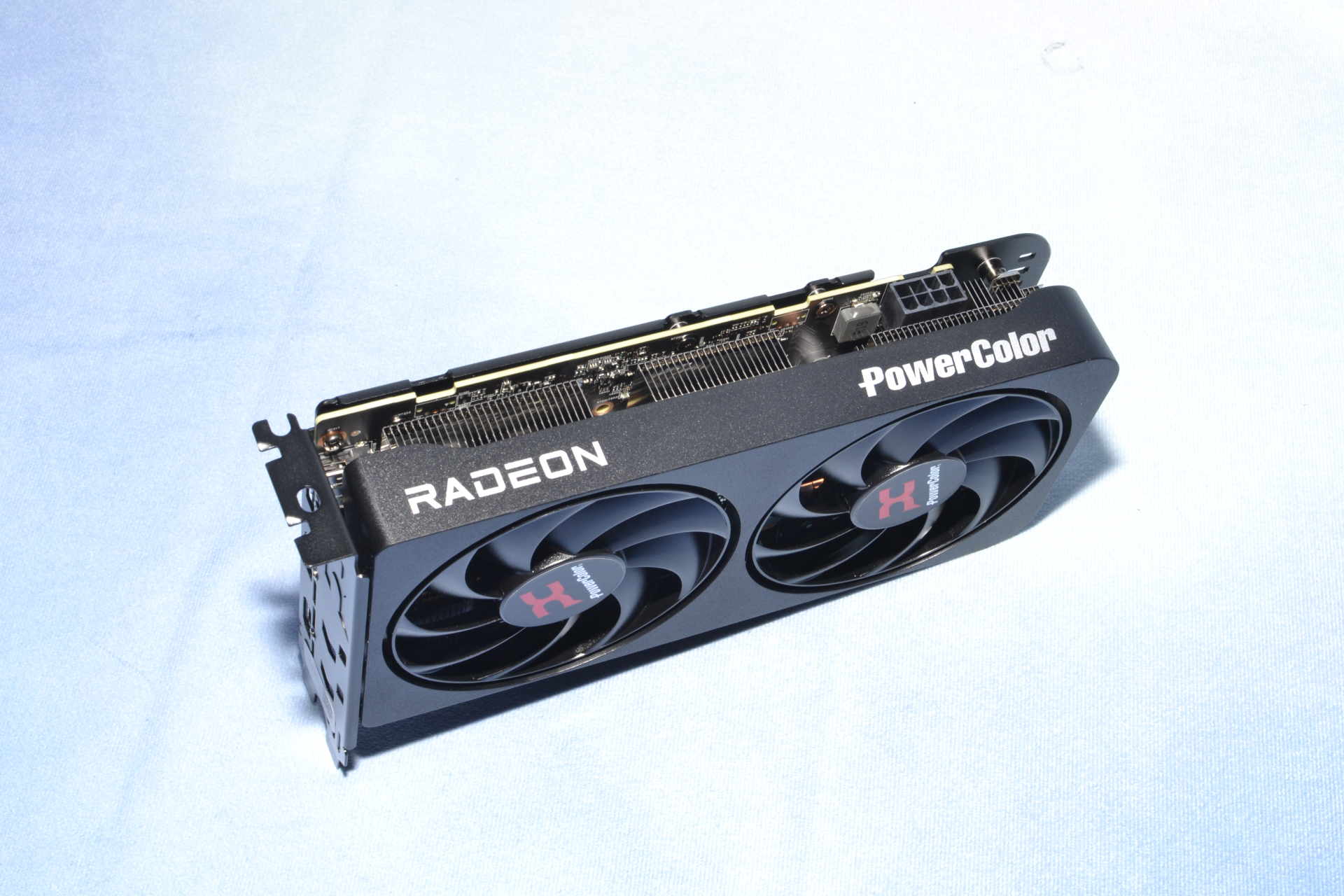
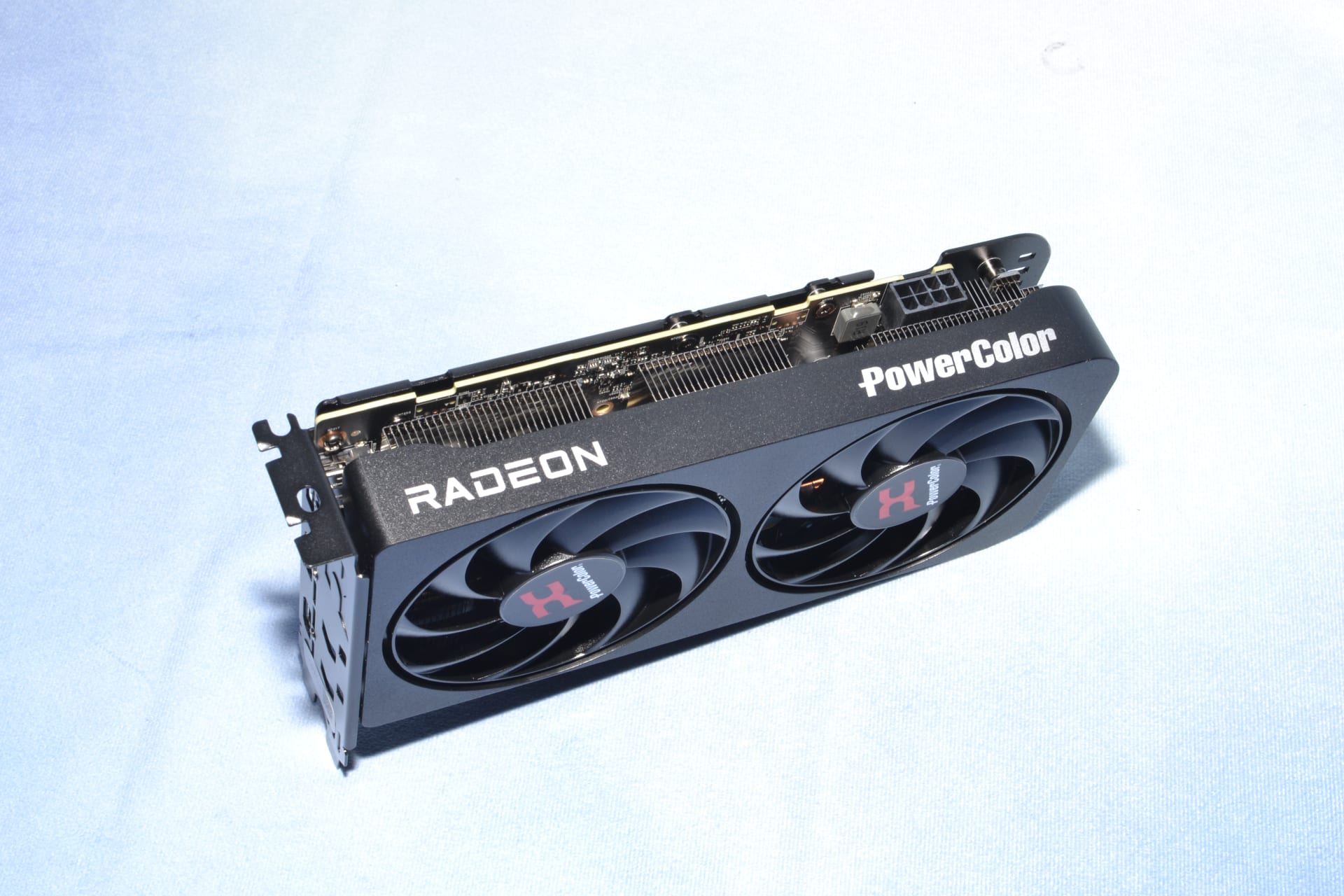
AMD Radeon RX 9060 XT 16GB
Game Rating: 9/10
Developer: AMD

The Numbers Side by Side
| # | GPU | VRAM | Composite FPS | Mid-2026 Price | Verdict |
|---|---|---|---|---|---|
| 1 | RTX 5060 Ti 16GB | 16GB | 98.7 | ~$359.99 and up | Fastest, best if budget allows |
| 2 | RX 9060 XT 16GB | 16GB | 93.9 | ~$459.99 midpoint | Best overall value |
| 3 | RX 9060 XT 8GB | 8GB | 93.9 at 1080p | ~$269 street | Only for 1080p esports |
| 4 | RTX 5060 8GB | 8GB | 82.8 | ~$350-370 | Weakest of the four |
| 5 | Intel Arc B580 12GB | 12GB | Below 5060 Ti | Varies by region | Good VRAM, weaker drivers |
Two notes on that table. The RTX 5060 Ti's $359.99 tracked low is real but scarce; the RX 9060 XT's $459.99 midpoint reflects what is actually in stock. Price-tracking floors and shelf reality have diverged badly in 2026.
Why Are GPU Prices Rising in 2026?
GPU prices are up because of memory, not silicon. 3GB GDDR7 modules are running $60-70 each, and the shortage is not expected to clear before the end of 2026, which has pushed mid-range cards 5-15% above their launch pricing (Tom's Hardware, 2026).
This is the same AI-datacentre memory squeeze hitting system RAM. AMD's RX 9070 XT carries a $599 MSRP and most models now sell between $700 and $850. The RTX 5070 Ti, nominally a step above this class, ranges from about $980 to well past $1,200.
MSRP Is Now Fiction
Treat every launch price as a historical footnote. Shop street prices only, and check them the week you buy.
16GB Cards Absorbed the Worst of It
More memory means more modules means more exposure to the shortage. The 8GB-versus-16GB price gap has widened, not narrowed.
Waiting Is Not a Strategy
Analysts expect prices to climb rather than fall through the rest of 2026. There is no dip coming to wait for.
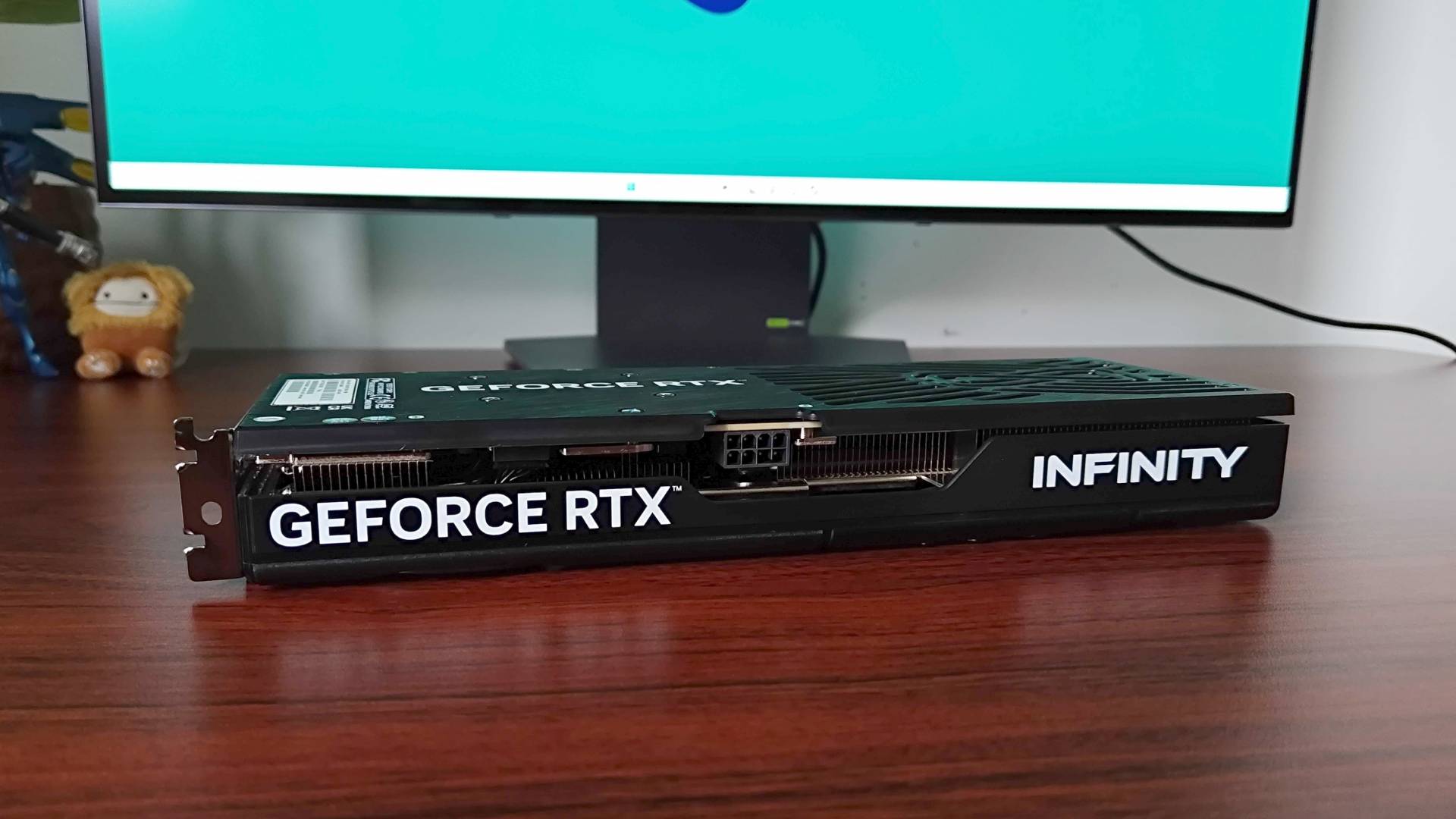
RX 9060 XT vs RTX 5060 Ti: The Real Comparison
The RTX 5060 Ti is about 5.1% faster than the RX 9060 XT in composite benchmarks. That is inside the margin where driver updates and individual game optimisation swing results either direction.
Where they actually differ is everything around the frame rate.
| # | Factor | RX 9060 XT 16GB | RTX 5060 Ti 16GB |
|---|---|---|---|
| 1 | Raster performance | 93.9 composite FPS | 98.7 composite FPS (+5.1%) |
| 2 | VRAM | 16GB | 16GB |
| 3 | Upscaling | FSR 4 | DLSS 4, more stable image |
| 4 | Ray tracing | Improved but behind | Stronger RT hardware |
| 5 | Frame generation | FSR frame gen | DLSS Multi Frame Generation |
| 6 | Price reality | ~$459 midpoint | $359.99 tracked, often higher |
| 7 | Best fit | 1440p, long ownership | 1440p with heavy RT use |
Tip
If you play with ray tracing on, buy Nvidia. If you play raster-first at 1440p and want the card to last, buy the RX 9060 XT 16GB. Both are correct answers to different questions — what is not correct is buying either card's 8GB variant for 1440p, because a game that fits in 8GB with rasterisation can jump to 10-11GB the moment ray tracing is enabled.
Is the 8GB Version Ever the Right Choice?
Sometimes, and only at 1080p. At 1080p medium settings the performance gap between 8GB and 16GB versions of the same card is about 2.3% — effectively nothing.
The gap explodes when you change any of three variables: resolution, texture quality, or ray tracing. At 1440p, 8GB produces stutter in demanding open-world titles even at High textures, and enabling path tracing can push a game's requirement to 13-14GB.
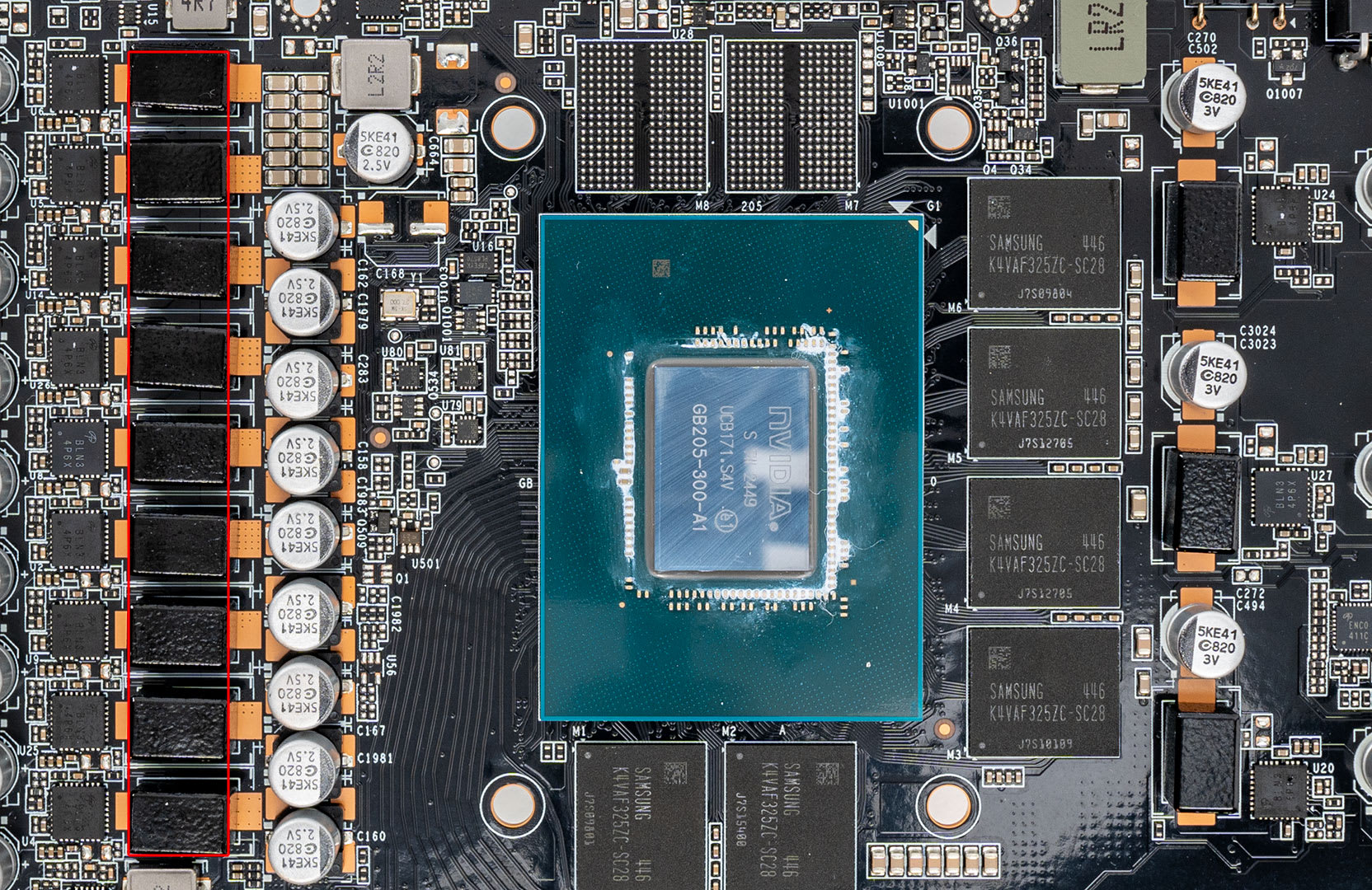
So the honest rule: the RX 9060 XT 8GB at around $269 is a legitimate esports and 1080p card. It is not a 1440p card, and no amount of upscaling changes that, because upscaling reduces render resolution without reducing texture memory. Our full breakdown of how much VRAM you need for gaming covers why that distinction trips up so many buyers.
What About Intel Arc B580?
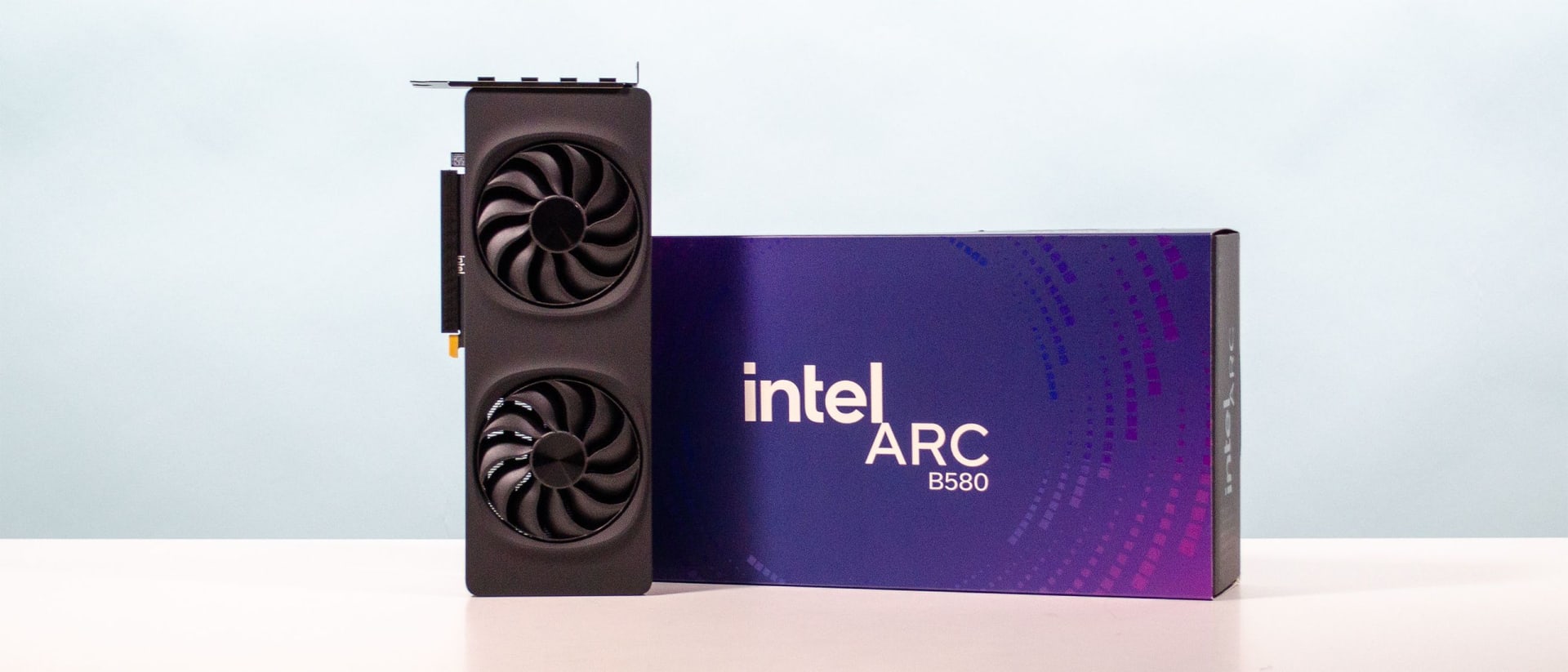
The Arc B580 deserves a mention for its 12GB of VRAM at a price where Nvidia gives you 8GB. On memory capacity per dollar it beats both competitors.
The catch is drivers. Intel's Arc drivers have improved enormously but still produce more per-title variance than AMD or Nvidia, especially in older DirectX 11 games. If your library is mostly recent releases you will be fine; if you play a lot of pre-2020 titles, you will occasionally hit a wall that neither of the other cards has.
12GB at a Budget Price
More frame buffer than an RTX 5060 for similar money, which matters more than 10% of raw throughput.
Driver Variance Is Real
Modern titles run well. Older DirectX 11 games remain the weak spot.
Requires Resizable BAR
Performance degrades sharply without it. Check your motherboard supports and has it enabled before buying.

Full Spec Sheet Comparison
| # | Specification | RX 9060 XT 16GB | RTX 5060 Ti 16GB | RTX 5060 8GB | Arc B580 12GB |
|---|---|---|---|---|---|
| 1 | Vendor | AMD | Nvidia | Nvidia | Intel |
| 2 | VRAM | 16GB | 16GB | 8GB | 12GB |
| 3 | Composite FPS | 93.9 | 98.7 | 82.8 | Below 5060 Ti |
| 4 | Launch MSRP | $299 (8GB tier) | — | — | $249 |
| 5 | Mid-2026 price | ~$459 midpoint | ~$360+ | ~$350-370 | Region varies |
| 6 | Upscaler | FSR 4 | DLSS 4 | DLSS 4 | XeSS 2 |
| 7 | Target res | 1440p | 1440p | 1080p | 1080p-1440p |
| 8 | Ray tracing | Improved | Strongest here | Strong | Competent |
| 9 | Resizable BAR | Recommended | Recommended | Recommended | Required |
What to Check Before You Buy
Four things, in order of how often people get them wrong.
- Power supply headroom. These cards are efficient, but a 500W unit from 2016 is not the same as a 500W unit today. Our mini PC PSU guide covers how to read a power supply spec sheet properly.
- Case clearance. Three-fan partner models of nominally mid-range cards now run over 300mm.
- Resizable BAR. Mandatory for Arc, worth real frames on the other two.
- CPU pairing. A budget GPU behind an old quad-core will bottleneck at 1080p. If you are pairing new parts, our 1440p build guide walks through a balanced parts list at current prices.
Frequently Asked Questions
Is the RX 9060 XT better than the RTX 5060 Ti?
The RTX 5060 Ti is about 5.1% faster in composite benchmarks and has stronger ray tracing and a better upscaler in DLSS 4. The RX 9060 XT 16GB is the better value at typical street prices and matches it on VRAM. For raster-first 1440p gaming the AMD card is the smarter buy; for ray-traced games the Nvidia card wins. Upscaler support keeps changing, and our AI upscaling news roundup tracks which DLSS and FSR versions each card gets.
Is 8GB of VRAM enough for gaming in 2026?
At 1080p medium settings, yes — the measured gap between 8GB and 16GB versions of the same card is about 2.3%. At 1440p, no. Demanding open-world games stutter on 8GB even at High textures, and enabling ray tracing can push a game from 8GB to 10-11GB of demand.
Why are graphics cards more expensive in 2026?
Memory prices. GDDR7 modules cost $60-70 each because manufacturers shifted capacity toward high-bandwidth memory for AI datacentres. That has pushed mid-range GPU prices 5-15% above launch pricing, and the shortage is not expected to resolve before the end of 2026.
Should I wait for prices to drop before buying a GPU?
No. Industry analysts expect mid-range GPU prices to climb rather than fall through the remainder of 2026, because the underlying memory shortage runs into 2027. If you need a card now, buying now is the cheaper option than waiting.
Is the Intel Arc B580 a good budget GPU?
It is genuinely competitive on VRAM-per-dollar, offering 12GB where Nvidia gives 8GB at similar prices. The trade-off is driver maturity — modern titles run well, but older DirectX 11 games show more variance than on AMD or Nvidia. It also requires Resizable BAR to perform properly.
The Bottom Line
Buy the RX 9060 XT 16GB if you game at 1440p and want the card to still be viable in 2029. Buy the RTX 5060 Ti 16GB if you can find one near its tracked price and you use ray tracing. Buy the RX 9060 XT 8GB only if you play at 1080p and mostly play competitive titles.
Do not buy the RTX 5060 8GB. At 82.8 FPS composite and 8GB of memory for $350-370, it is the one card in this bracket where you are paying near-16GB money for a card that will hit a VRAM wall first.
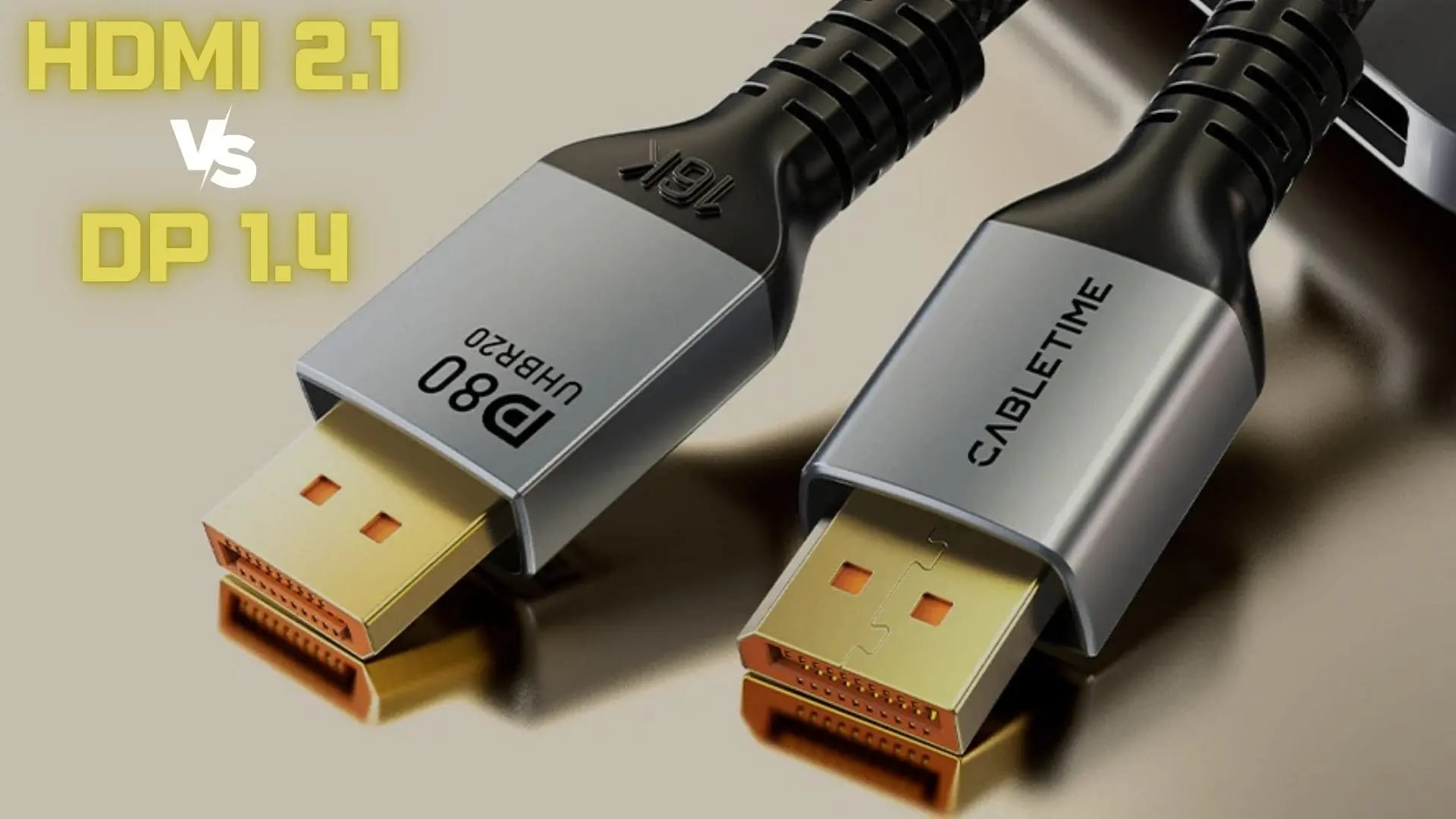
For more on the components around the GPU, our comparison of HDMI and DisplayPort covers getting the frames you paid for onto the screen, and is a Ryzen 5 faster than a Ryzen 7 addresses the CPU side of the same budget question.
Product photography courtesy of AMD, Nvidia, Intel and their respective board partners, used for editorial coverage.
Sources
- Tom's Hardware, GPU price tracking 2026 — Lowest price on every graphics card, retrieved 2026-07-26, https://www.tomshardware.com/pc-components/gpus/lowest-gpu-prices-tracking
- Tom's Hardware, Best Graphics Cards for Gaming in 2026, retrieved 2026-07-26, https://www.tomshardware.com/reviews/best-gpus,4380.html
- Sportskeeda, NVIDIA RTX 5060 vs Radeon RX 9060 XT vs RTX 5060 Ti, retrieved 2026-07-26, https://tech.sportskeeda.com/gaming-news/nvidia-rtx-5060-vs-radeon-rx-9060-xt-vs-rtx-5060-ti-which-budget-gpu-buy-2026
- TechRadar, Intel Arc B580 review, retrieved 2026-07-26, https://www.techradar.com/computing/gpu/amd-unleashes-rx-9060-xt-at-computex-2025-a-powerful-gpu-that-starts-from-usd299-and-could-be-nvidias-worst-nightmare
- Database Mart, RX 9060 XT vs RTX 5060 Ti — Mid-Range GPU Performance, Benchmarks & Value, retrieved 2026-07-26, https://www.databasemart.com/blog/amd-rx9060xt-vs-nvidia-rtx5060ti