The Blood of Dawnwalker launches on 3 September 2026, and its most interesting idea is a clock. Rebel Wolves — a studio founded by the director of The Witcher 3: Wild Hunt and staffed with veterans of that game and Cyberpunk 2077 — has built an open-world RPG in which you have 30 days and nights to save your family, and the clock only moves when the story does.
That single rule reshapes everything else. It means no ticking timer punishing you for exploring, and it means every plot decision spends a resource you cannot get back.
Note
Key Takeaways
- Releases 3 September 2026 on PlayStation 5, Xbox Series X|S and PC. The game has already gone gold.
- Developed by Rebel Wolves under director Konrad Tomaszkiewicz, previously game director on The Witcher 3, and published by Bandai Namco.
- You play Coen, a half-human, half-vampire "Dawnwalker" with a 30-day limit to rescue his family from the vampire lord Brencis.
- Only story-advancing actions move the clock. Free exploration costs nothing, so the pressure is narrative rather than a real-time countdown.
- Day and night are two different games: swordplay and diplomacy in daylight, vampiric powers, wall-climbing and feeding at night.
- Estimated 50–70 hours of content across four difficulty levels, built in Unreal Engine 5 and set in the fictional 14th-century Carpathian valley of Vale Sangora.
The 30-Day Clock Is the Whole Design
Coen has 30 in-game days and nights to reach his family before a ceremonial sacrifice, and only actions that affect the plot advance time. There is no real-time countdown, no hourly drain, and no penalty for spending an afternoon exploring a village you have no business in.
That distinction is what separates this from the timed-mission structures players usually resent. The pressure is not "hurry up." It is "every meaningful choice costs a day you will want back later."
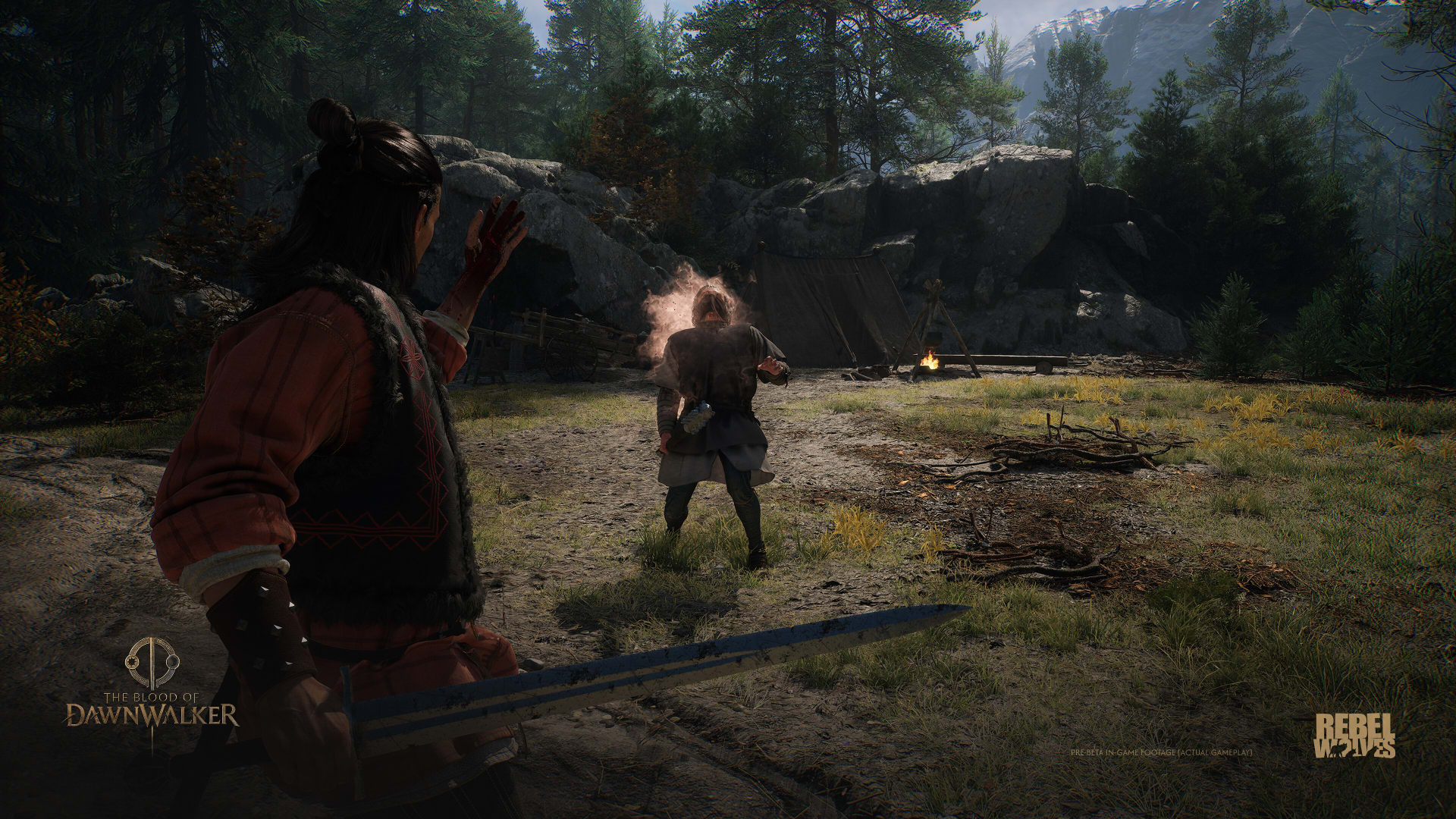
Rebel Wolves has been consistent in interviews that the game is not designed to be completed exhaustively in one run. The 30 days are meant to force a shape onto your playthrough — a set of priorities that another player would have ordered differently.
Why This Matters for a Witcher-Adjacent RPG
The genre's standing problem is that side content has no cost. You can clear every question mark on the map before the main quest's urgent deadline, and the story quietly agrees to wait.
A clock that only advances on plot beats is a targeted fix for exactly that. Exploration stays free, so the world is still worth wandering; consequence attaches to the decisions the story asks you to make.
Day and Night Are Two Different Games
Coen's abilities change completely with the time of day, and the two modes have separate combat systems rather than shared ones with modifiers. This is the second structural idea the game is built on, and it interacts directly with the 30-day clock.
Daytime: Swords, Diplomacy and Witch Magic
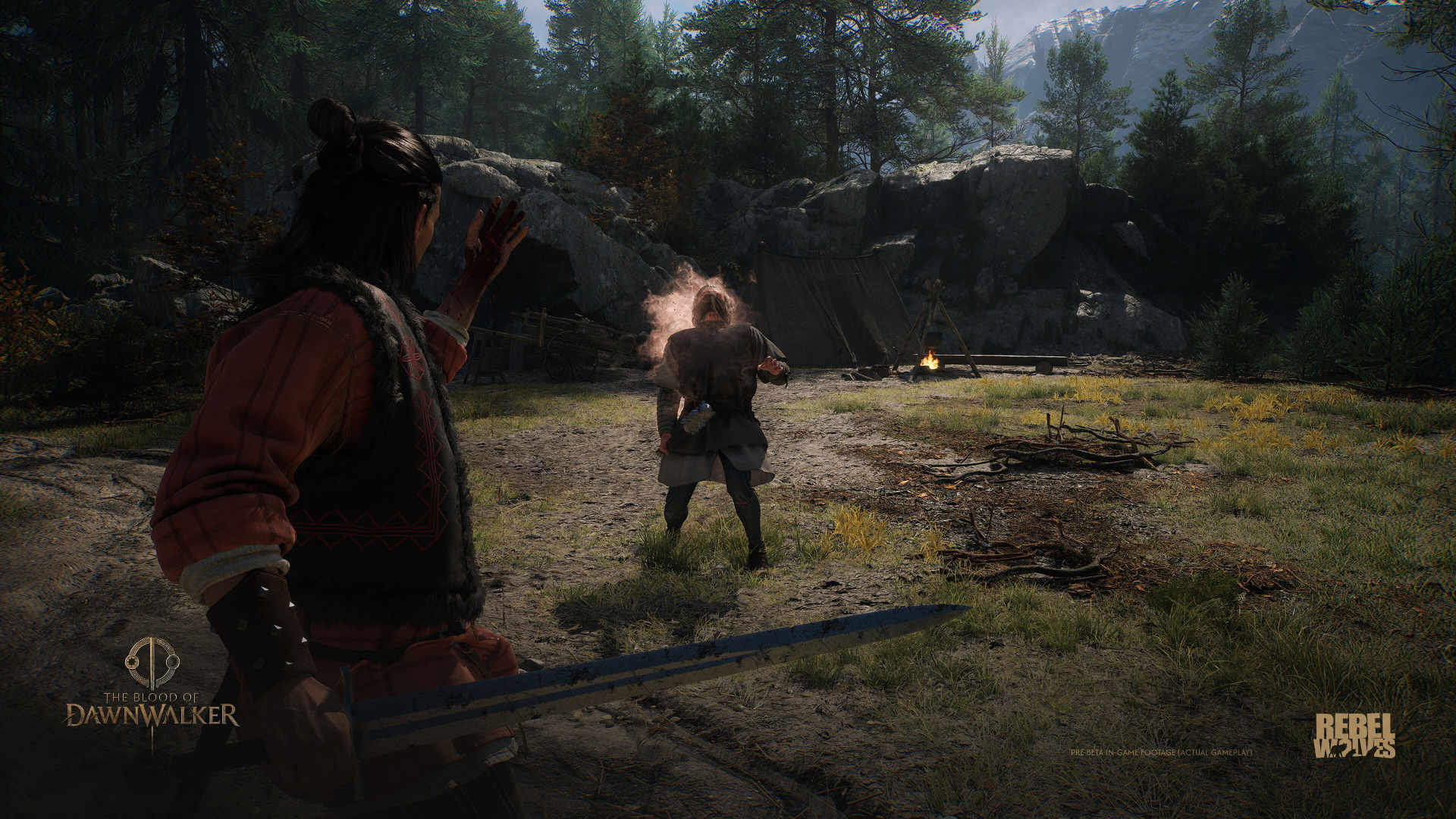
In daylight, Coen fights as a human. Combat emphasises directional blocking and deliberate swordplay, and a large share of encounters can be resolved without drawing a blade at all — daytime is when NPCs will talk to you, trade with you and be persuaded. For the handful of games where you can hold an unscripted conversation with an NPC, see which games actually have AI NPCs.
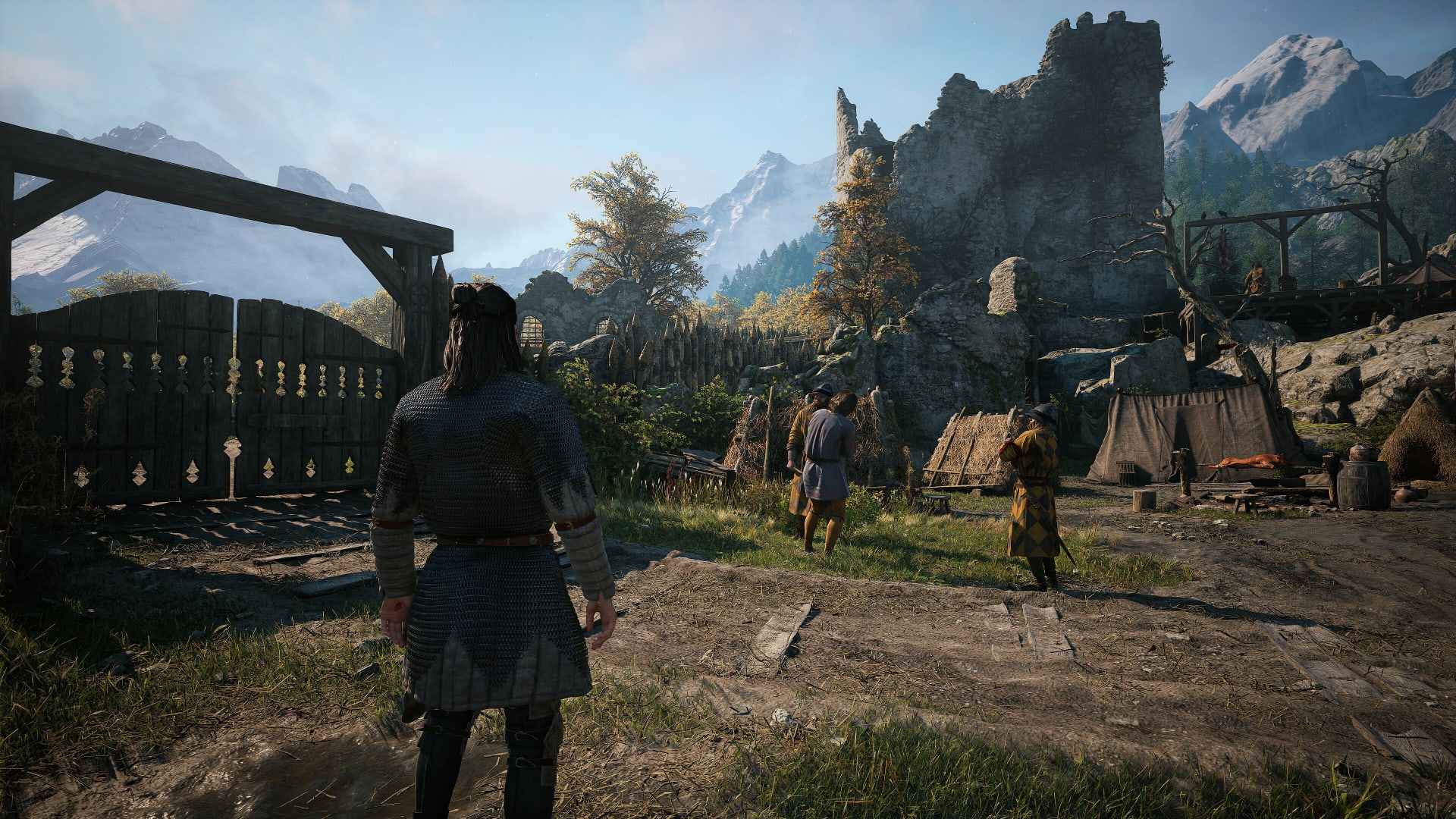
Witch magic sits on this side of the split too. It is the toolkit for problems that have social or ritual solutions rather than violent ones.
Night: Claws, Climbing and Bloodlust
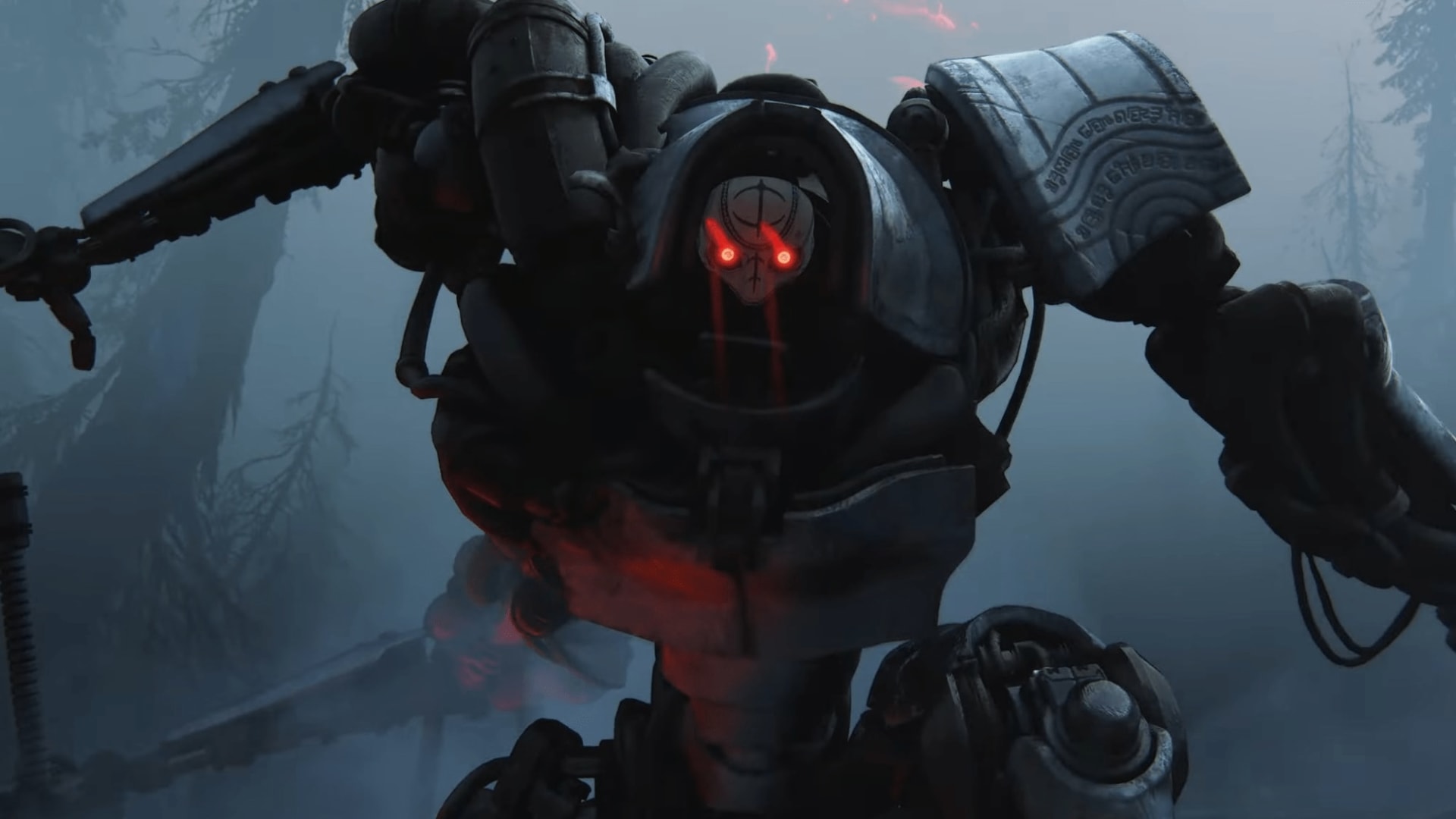
After dark, Coen becomes something else. Vampiric powers unlock wall-climbing, short-range teleportation and a claw-and-bite melee style that plays nothing like the daytime sword game.
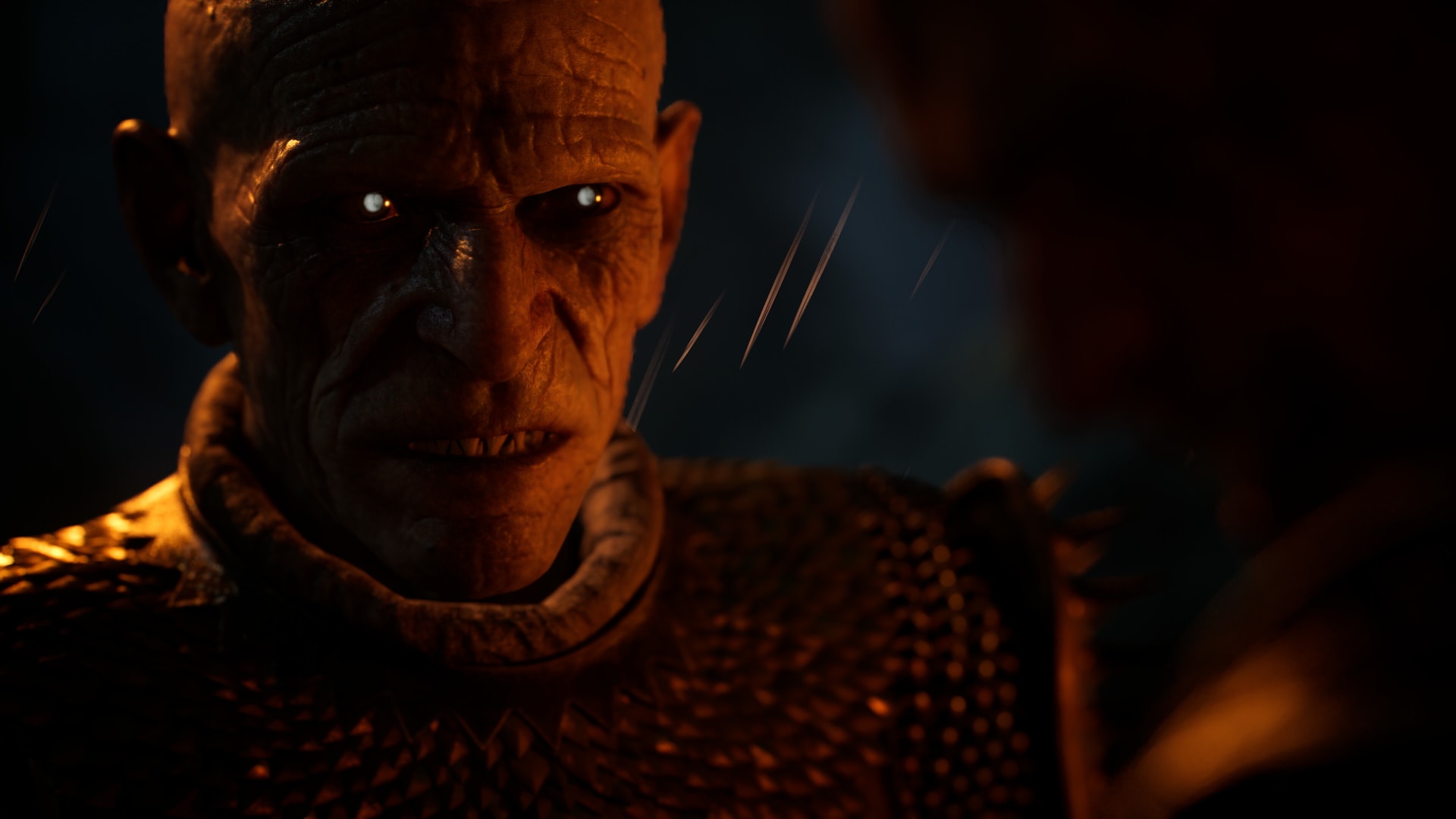
The catch is bloodlust. Night powers run on blood, blood comes from feeding, and feeding has consequences for who Coen is becoming. Stealth is a night discipline rather than a day one, which means infiltration and negotiation are genuinely different routes to the same objective.
Daytime Strengths
Directional swordplay, witch magic, dialogue and trade with NPCs, quests that require cooperation from the living.
Nighttime Strengths
Wall-climbing and teleportation, claw and bite combat, stealth infiltration, access to places daylight routes cannot reach.
The Trade
Night powers consume blood and push Coen further from his humanity. The game asks how much you are willing to spend to move faster.
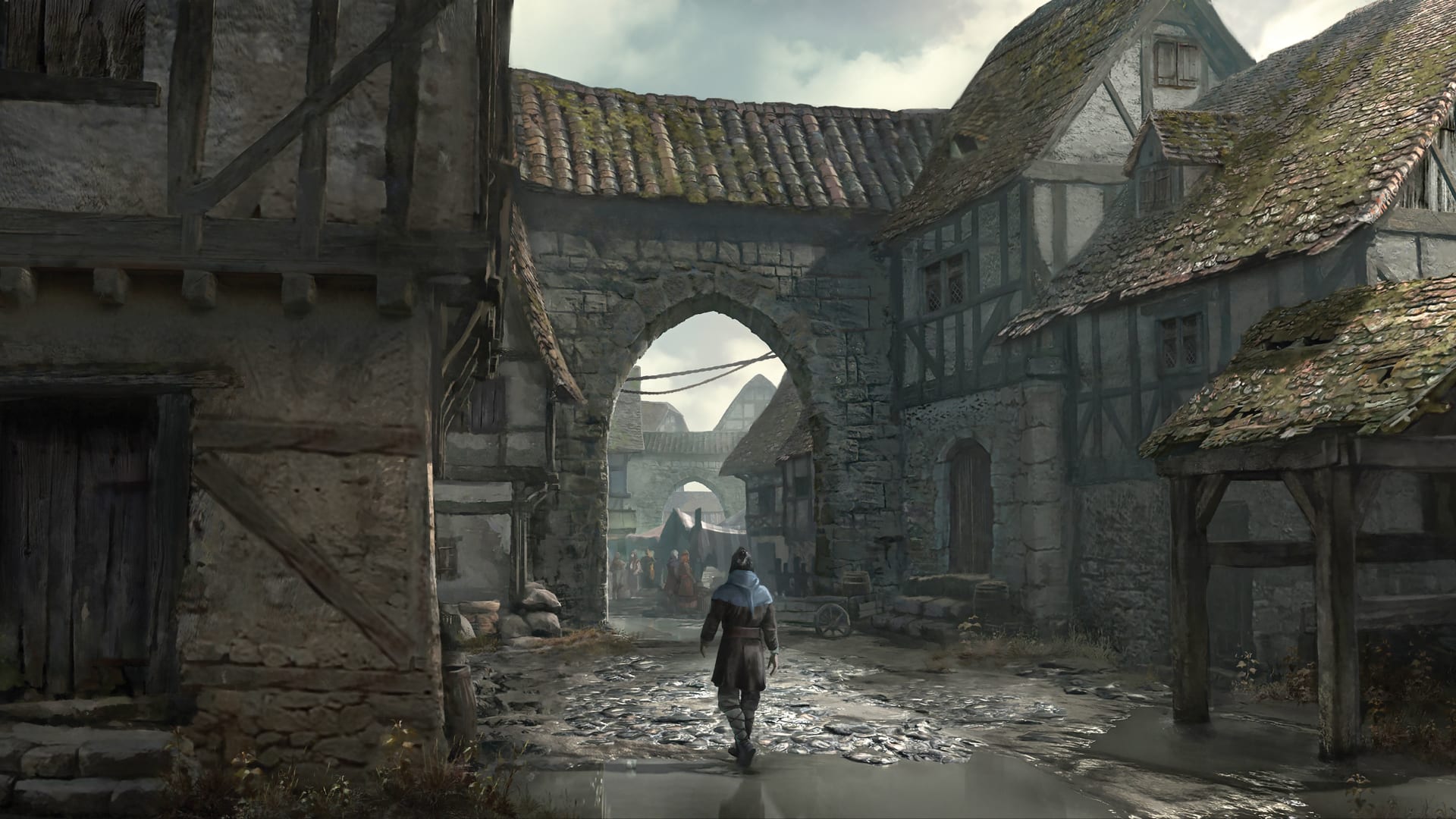
Setting, Story and Who Is Making It
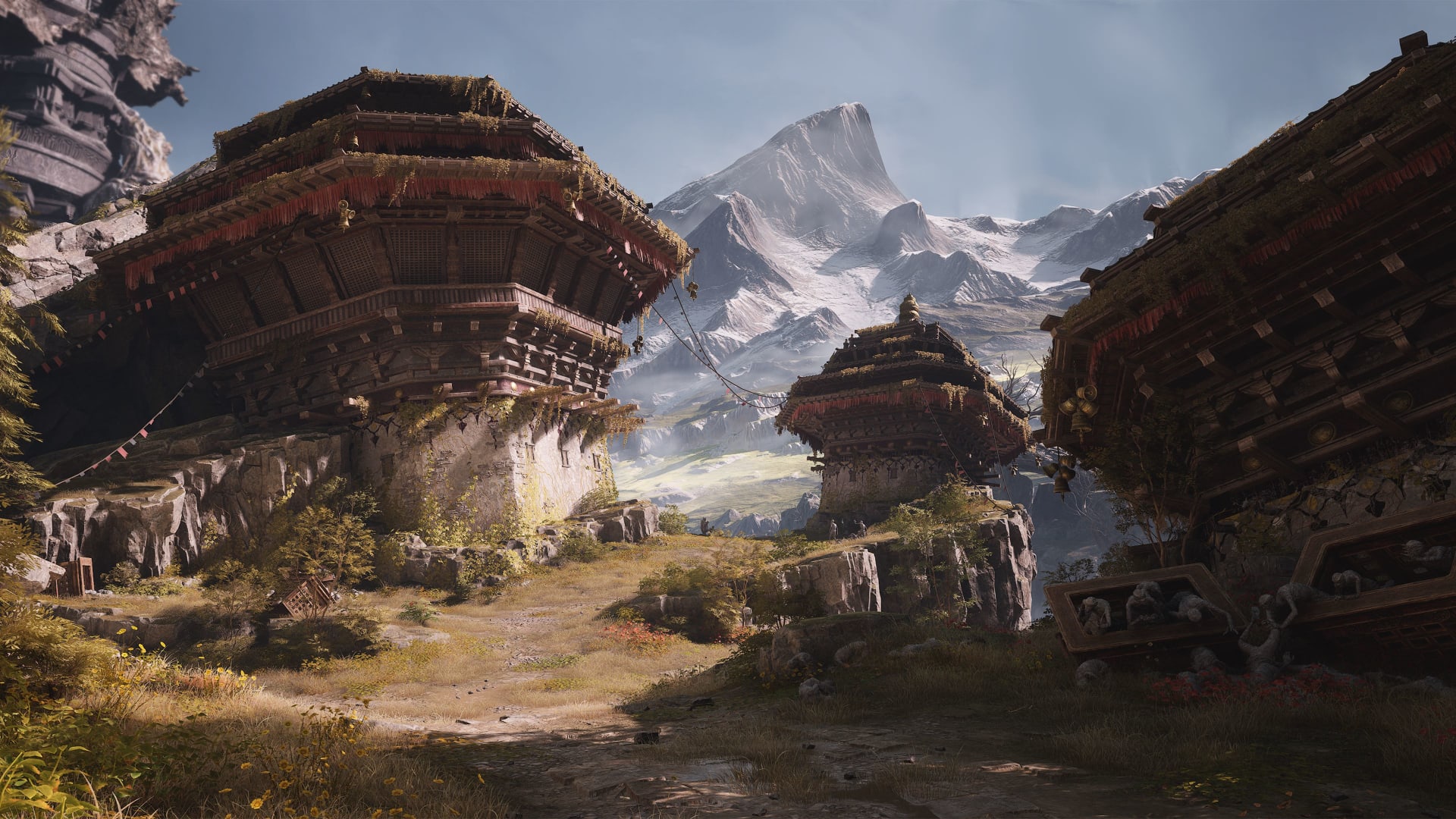
Vale Sangora is a fictional 14th-century valley in the Carpathian Mountains, built on Hungarian and Romanian mythology and archaeology rather than on the usual Dracula shorthand. A plague has torn through the kingdom, and the vampire lord Brencis has taken power in the vacuum.
Coen's family is captured. He has one month before a ceremonial sacrifice, and he becomes a Dawnwalker — neither fully human nor fully vampire — in the attempt to reach them.
The team behind it is the reason expectations are high. Rebel Wolves was founded by Konrad Tomaszkiewicz, game director on The Witcher 3: Wild Hunt, alongside other former CD Projekt Red developers who worked on that game and Cyberpunk 2077. This is the first chapter of a planned Dawnwalker saga rather than a standalone.
Info
Rebel Wolves has confirmed the saga will eventually move beyond the Middle Ages. The 14th-century setting is the starting point of a longer arc, not the series' permanent home.
Platforms, Length and Technical Details
| Detail | Confirmed |
|---|---|
| Release date | 3 September 2026 |
| Platforms | PS5, Xbox Series X|S, PC |
| Developer | Rebel Wolves |
| Publisher | Bandai Namco Entertainment |
| Engine | Unreal Engine 5 |
| Estimated length | 50–70 hours |
| Difficulty levels | Four |
| Structure | Single-player, open world, story-driven |
The game went gold ahead of the September launch, which is the single most useful signal available about whether a date will hold. Gold status means the build is finished and submitted; it does not rule out a day-one patch, but it does rule out the kind of late slip that has hit several large RPGs in recent years.
Unreal Engine 5 brings the expectations that come with it. Traversal stutter on first pass through a region is the standard behaviour for the engine, and it is worth knowing the diagnostic order in advance — our guide to fixing stuttering in PC games covers it, and what 1% lows actually measure explains why an average frame rate will not tell you whether the game feels smooth.
How It Compares to the Rest of the 2026 Slate
Dawnwalker occupies the narrative-RPG slot that has been unusually empty this year. The autumn calendar is dense with tactics, shooters and remakes, and comparatively thin on 50-hour single-player role-playing games with a new world attached.
Its nearest competition is thematic rather than scheduled. The Witcher 4 is the obvious comparison given the shared lineage, and the two projects are effectively a natural experiment in what made The Witcher 3 work — the studio or the setting. Elsewhere on the console slate, Marvel's Wolverine and Intergalactic: The Heretic Prophet are competing for the same autumn attention but not for the same audience hours.
For anyone weighing whether their machine is ready, our 1440p gaming PC build is the sensible target for a UE5 open-world title at high settings, and how much VRAM you need for gaming covers the memory question that decides whether texture settings are free or catastrophic.
What We Still Do Not Know
The full PC system requirements have been published, but real-world performance data has not. Requirements lists are estimates until independent testing exists, and UE5 open worlds have a poor track record of matching their own recommended specs at the frame rates implied.
Whether the 30-day clock has teeth is the open question. A time limit that can be satisfied comfortably on a first run is a narrative flourish; one that forces genuine sacrifice is a design pillar. Rebel Wolves says it is the latter. Review coverage in early September will settle it.
New Game Plus has not been confirmed. For a game explicitly designed around choices you cannot revisit, that is a more significant omission than it would be elsewhere.
Frequently Asked Questions
When does The Blood of Dawnwalker release?
The Blood of Dawnwalker launches on 3 September 2026 for PlayStation 5, Xbox Series X|S and PC. The game has already gone gold, meaning the build is complete and submitted, which makes a further delay unlikely.
Who is developing The Blood of Dawnwalker?
Rebel Wolves, a studio founded by Konrad Tomaszkiewicz — game director on The Witcher 3: Wild Hunt — and staffed with other former CD Projekt Red developers from The Witcher 3 and Cyberpunk 2077. Bandai Namco Entertainment is publishing.
How does the 30-day time limit work?
Coen has 30 in-game days and nights to rescue his family. Only actions that advance the plot move the clock forward; there is no real-time countdown, so exploring the world freely costs nothing. The pressure comes from having to prioritise which story threads to pursue.
How long is The Blood of Dawnwalker?
Rebel Wolves estimates 50 to 70 hours of content across four difficulty levels. Because the 30-day structure prevents completing everything in a single run, the game is designed with replay in mind rather than exhaustive first-playthrough completion.
What is the difference between day and night in The Blood of Dawnwalker?
They are effectively two different games. Daylight gives Coen human swordplay, witch magic and the ability to talk with NPCs. Night unlocks vampiric powers including wall-climbing, teleportation and claw combat, but those powers consume blood and push Coen further from his humanity.
Is The Blood of Dawnwalker open world?
Yes. It is a single-player open-world action RPG set in Vale Sangora, a fictional 14th-century valley in the Carpathian Mountains built on Hungarian and Romanian mythology. Exploration is unrestricted and does not consume days from the 30-day limit.
The Bottom Line
The Blood of Dawnwalker is the most structurally interesting large RPG of 2026, and the reason is a rule rather than a feature list. A clock that only moves when the story does turns side content into something you choose freely and main quests into something you spend.
Combine that with a day/night split that swaps combat systems rather than just lighting, a team with the right credits, and a build that has already gone gold, and 3 September looks like the date most worth blocking out this autumn.
The question worth watching in reviews is not whether it looks like The Witcher. It is whether 30 days genuinely hurt.
Screenshots courtesy of Rebel Wolves, Bandai Namco Entertainment and the respective publications, used for editorial coverage.
Sources
- Bandai Namco Entertainment, The Blood of Dawnwalker will launch September 3 – Rebel Wolves revealed key details, retrieved 2026-08-09, https://www.bandainamcoent.com/news/the-blood-of-dawnwalker-will-launch-september-3-rebel-wolves-revealed-key-details
- Wikipedia, The Blood of Dawnwalker, retrieved 2026-08-09, https://en.wikipedia.org/wiki/The_Blood_of_Dawnwalker
- AltChar, The Blood of Dawnwalker goes Gold ahead of September launch, retrieved 2026-08-09, https://www.altchar.com/game-news/the-blood-of-dawnwalker-goes-gold-ahead-of-september-launch-aoLI64P098y8
- GosuGamers, Vampire RPG The Blood of Dawnwalker sets September release date and system requirements, retrieved 2026-08-09, https://www.gosugamers.net/entertainment/news/78351-vampire-rpg-the-blood-of-dawnwalker-sets-september-release-date-and-system-requirements
- AltChar, The Blood of Dawnwalker launches September 3, and its vampire saga will eventually leave the Middle Ages behind, retrieved 2026-08-09, https://www.altchar.com/game-news/the-blood-of-dawnwalker-launches-september-3-and-its-vampire-saga-will-eventually-leave-the-middle-ages-behind-aR3mW8r474Hr